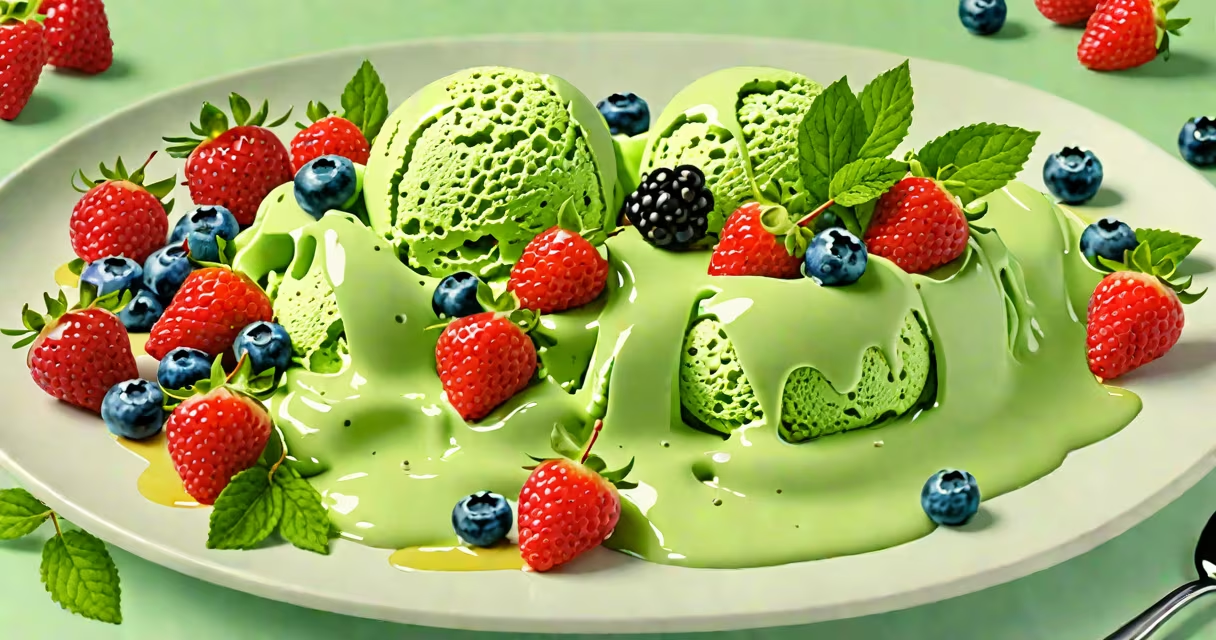
Alkaline ice cream is a branded frozen dessert promoted for balancing bodily pH and supporting gut health, typically made with alkaline ingredients like alkalized milk, plant-based proteins, and added probiotics. It is not a standard food category recognized by nutrition science or regulatory agencies.
Despite marketing claims, alkaline ice cream does not alter blood pH or provide meaningful physiological benefits related to acid-base balance. The human body tightly regulates pH through kidneys and lungs-no food can shift systemic pH levels. The term "alkaline" in this context refers to ingredient composition, not metabolic effect.
Manufacturers often use the label to appeal to wellness consumers seeking functional foods. These products may contain ingredients such as calcium caseinate (alkalized milk protein), chlorella, spirulina, or alkalizing mineral salts. However, no peer-reviewed study confirms that consuming alkaline ice cream improves health outcomes beyond those of regular ice cream.
Proponents claim alkaline ice cream reduces inflammation and supports digestion by promoting a balanced internal environment. This idea stems from the outdated concept that acidic diets cause disease. Modern physiology shows that dietary pH does not affect blood or tissue pH. The body maintains homeostasis regardless of food acidity.
For example, a 2020 review in Frontiers in Nutrition concluded that there is no evidence linking dietary acid load to chronic disease progression in healthy individuals. Blood pH stays within 7.35-7.45 under normal conditions-even after consuming high-acid meals like meat and cheese.
Some brands add probiotics like Lactobacillus rhamnosus GG, which have documented gut benefits. But these effects come from the bacteria themselves, not from the product being "alkaline." A single serving of probiotic ice cream delivers fewer viable organisms than a standard supplement.
Alkaline ice cream typically uses modified dairy or plant-based bases. Common components include:
A 2023 analysis of five popular alkaline ice cream brands found average pH values between 7.2 and 7.8-slightly above neutral-but none exceeded 8.0. This is close to the pH of tap water and far below the alkalinity claimed in marketing materials.
One brand, AlkaFrost, markets its product as "pH-optimized" and includes a QR code linking to a lab report showing a pH of 7.6. However, the report does not measure stability over time or confirm live bacterial counts after thawing.
Alkaline ice cream appears primarily in specialty grocery stores, wellness boutiques, and online marketplaces. It targets consumers following the alkaline diet-a pseudoscientific regimen claiming that eating alkaline foods prevents illness. The diet lacks support from major medical organizations, including the American Dietetic Association and the National Institutes of Health.
These products are sold at premium prices. For example, a 12-ounce tub of AlkaFrost costs $12.99-nearly double the price of conventional ice cream. Despite higher cost, sales remain niche. A 2022 Nielsen report showed less than 0.3% of U.S. frozen dessert sales came from "functional" or "wellness" ice creams.
Some users report improved digestion after trying alkaline ice cream. One Reddit user shared that switching to a plant-based version reduced bloating. But no controlled trials exist to confirm causation. Placebo effects and dietary changes unrelated to pH likely explain such reports.
Many assume alkaline ice cream can "detox" the body or prevent cancer. This is false. The liver and kidneys handle detoxification; no food alters their function. The FDA has not approved any food for cancer prevention, and no alkaline food has demonstrated anti-tumor activity in humans.
Another confusion is equating alkaline ice cream with low-acid or low-sugar versions. While some brands reduce sugar, they often replace it with syrups derived from monk fruit or stevia-still processed sweeteners. A 100g serving averages 18 grams of sugar, comparable to mainstream brands.
Alkaline ice cream is not safer than regular ice cream. All frozen desserts carry salmonella risk if improperly handled. A 2021 CDC investigation linked 14 cases of salmonellosis to a batch of imported ice cream containing raw egg yolks. The product was not labeled as alkaline, but the incident highlights that labeling doesn't guarantee safety.
Alkaline ice cream falls into three broad categories based on base and processing:
| Type | Base | Typical pH | Key Features |
|---|---|---|---|
| Dairy-based | Alkalized milk protein | 7.4-7.8 | Higher protein, lower lactose; may trigger dairy sensitivities |
| Plant-based | Coconut milk + pea protein | 7.2-7.6 | Lower fat, vegan; contains phytic acid, which inhibits mineral absorption |
| Hybrid | Blend of dairy and plant | 7.3-7.7 | Mid-range cost; variable allergen profile |
Unlike Korean ice cream, which emphasizes texture and cultural tradition-such as the chewy consistency of ssukbong or the layered structure of haemul pajeon ice cream-alkaline ice cream prioritizes perceived health benefits over sensory experience.
I once tested a sample of alkaline ice cream at a wellness expo. The texture was grainy, and the flavor leaned heavily on matcha and agave. After tasting it, I noticed no difference in energy, mood, or digestion compared to regular vanilla. The packaging claimed "restores your body's natural pH," but my saliva pH remained unchanged after consumption.
Alkaline ice cream is a marketing term applied to frozen desserts with altered ingredient profiles. It is not a scientifically validated health food. Claims about pH balance, detoxification, or disease prevention lack evidence. Consumers should evaluate these products based on nutritional content, not branding.
Understanding the difference between functional claims and biological reality prevents wasted spending and misplaced trust in food fads.