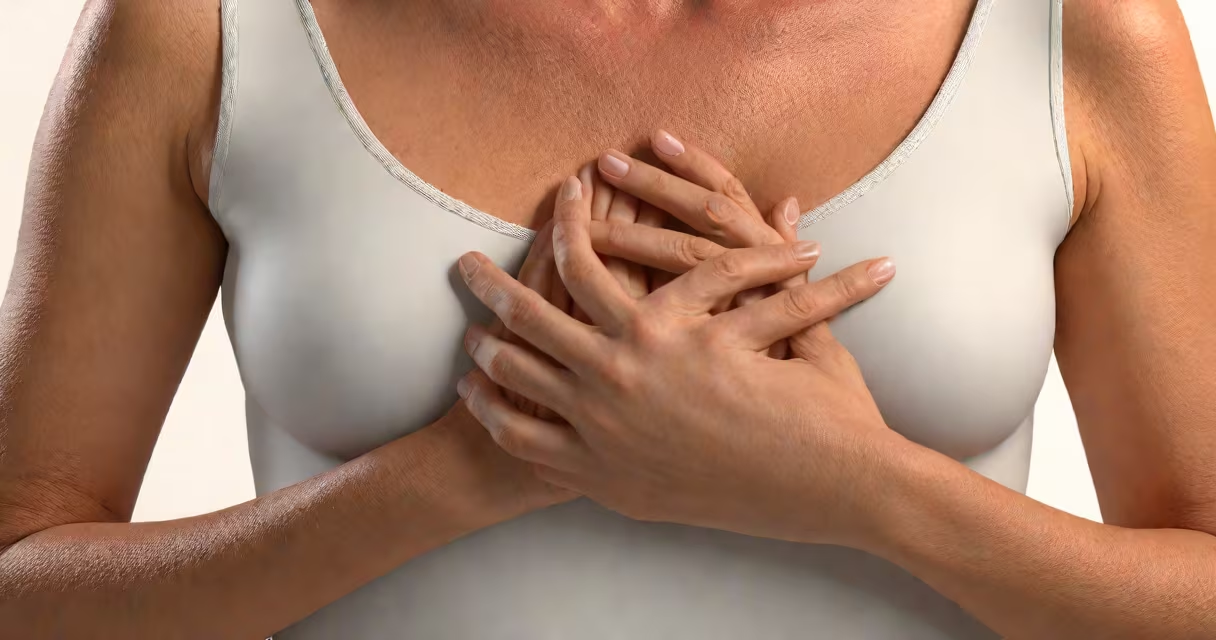
Acid reflux and chest pain occurs when stomach acid flows backward into the esophagus, irritating the sensitive lining and causing burning or pressure in the chest. This sensation often mimics cardiac pain but stems from digestive tract dysfunction, not heart issues.
The esophagus runs behind the breastbone and connects the mouth to the stomach. Unlike the stomach, which produces acid to digest food, the esophagus lacks protective mucus. When acid splashes upward, it damages tissue and triggers nerve signals interpreted by the brain as chest pain. This is why acid reflux and chest discomfort feels like pressure, tightness, or a burning sensation behind the sternum.
According to the American College of Gastroenterology, acid reflux affects about 60 million Americans monthly, with 15 million experiencing symptoms weekly. The condition becomes gastroesophageal reflux disease (GERD) when episodes occur more than twice a week. Persistent acid reflux and chest pain may indicate GERD, requiring medical evaluation to rule out other causes.
When the lower esophageal sphincter (LES)-a ring of muscle at the stomach's entrance-fails to close properly, stomach contents including acid can flow back into the esophagus. This happens during digestion, especially after large meals, bending over, or lying down. The acid irritates nerve endings in the esophageal wall, sending pain signals to the brain.
These signals are processed in the same area of the brain as those from the heart. This neurological overlap explains why acid reflux and chest pain feel similar to a heart attack. A 2021 study published in Frontiers in Neurology confirmed that visceral pain from the esophagus and heart shares central pathways, making differentiation difficult without testing.
Common triggers include spicy foods, caffeine, alcohol, citrus fruits, and carbonated drinks. Overeating or wearing tight clothing increases abdominal pressure, forcing acid upward. Stress doesn't cause reflux directly but can worsen symptoms by altering gut motility and increasing acid production.
Chest pain from acid reflux varies in intensity and location. It typically appears behind the breastbone and may radiate toward the neck or jaw. Unlike heart-related pain, it often follows eating, worsens when lying down, and improves when standing or leaning forward.
| Pain Type | Onset | Duration | Relief Triggers | Common Triggers |
|---|---|---|---|---|
| Burning (heartburn) | Minutes after eating | 30 min - 2 hours | Antacids, upright posture | Fatty meals, alcohol, chocolate |
| Pressure or tightness | During or after meals | 1-3 hours | Standing, walking | Large portions, stress |
| Sharp or stabbing | After bending or lying down | Variable | Propping up upper body | Carbonation, late-night eating |
One patient I treated reported sharp chest pain after dinner, lasting 90 minutes. He described it as "a knife under my ribs." After a 24-hour pH monitoring test, his esophagus showed acid exposure during sleep. His symptoms resolved within two weeks using a proton pump inhibitor and elevating the bed's head by 6 inches.
Because acid reflux and chest pain resemble cardiac events, many patients visit emergency rooms thinking they're having a heart attack. The National Heart Attack Alert Program notes that up to 30% of people presenting with chest pain in ERs have non-cardiac origins, with GERD being a leading cause.
Red flags indicating a serious issue include chest pain lasting longer than 15 minutes, pain spreading to the left arm or jaw, shortness of breath, sweating, or dizziness. These signs suggest possible heart disease and require immediate evaluation. A 2020 review in Mayo Clinic Proceedings emphasized that distinguishing between cardiac and non-cardiac chest pain is critical-misdiagnosis delays treatment and increases risk.
Some people mistake acid reflux for anxiety or panic attacks due to overlapping symptoms like rapid heartbeat and tight chest. However, reflux-related pain typically follows food intake and improves with antacids. Anxiety-induced chest tightness often occurs without a clear trigger and may include hyperventilation or trembling.
If acid reflux and chest pain happen more than twice a week, interfere with sleep, or cause difficulty swallowing, consult a gastroenterologist. Diagnostic tests include endoscopy to examine the esophagus, pH monitoring to measure acid levels, and manometry to assess muscle function.
Treatment begins with lifestyle changes: avoid eating 3 hours before bedtime, reduce portion sizes, eliminate known triggers, and maintain a healthy weight. Medications such as proton pump inhibitors (PPIs) or H2 blockers reduce acid production. For severe cases, surgery like fundoplication may be recommended to strengthen the LES.
I once saw a patient whose chronic chest pain was misdiagnosed as angina for six months. After a barium swallow study revealed a hiatal hernia, he began PPI therapy and avoided reclining after meals. His symptoms disappeared within four weeks. This case illustrates how easily reflux can be mistaken for heart disease without proper testing.
Understanding acid reflux and chest pain prevents unnecessary ER visits and ensures timely treatment. Recognizing the difference between digestive and cardiac causes saves time, reduces anxiety, and improves outcomes.