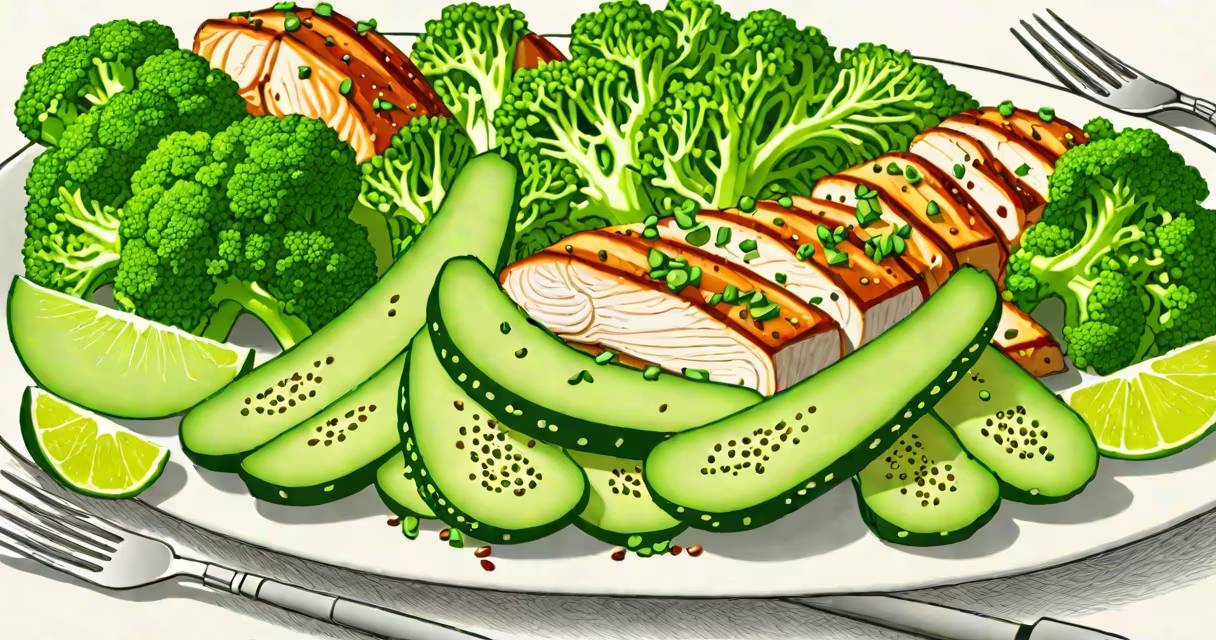
Foods that don't make you bloat are those low in fermentable carbohydrates, high in digestible fiber, and free of artificial sweeteners and excess sodium. These include lean meats, most vegetables (when cooked), fruits like berries and oranges, and grains such as oats and quinoa.
Bloating results from gas buildup, fluid retention, or slow digestion. The most common triggers are FODMAPs (fermentable oligosaccharides, disaccharides, monosaccharides, and polyols), added sugars, carbonated drinks, and high-fat meals. Avoiding these reduces abdominal distension and discomfort.
According to the Monash University Low FODMAP Diet app, which is the gold standard for identifying trigger foods, only about 30% of people with irritable bowel syndrome (IBS) experience bloating from specific food groups. This means many people can tolerate certain high-FODMAP foods in small amounts or after cooking.
Non-bloating foods pass through the digestive tract efficiently. They contain minimal fermentable fibers that feed gas-producing gut bacteria. Instead, they provide soluble fiber that supports healthy gut motility without excessive gas production.
For example, cooked carrots have lower FODMAP levels than raw ones. The heat breaks down some of the fructans, reducing their potential to cause bloating. A 2020 study published in Gut found that cooking reduced FODMAP content in vegetables by up to 40% in some cases.
Proteins like skinless chicken breast and wild-caught salmon are easily digested. They lack the complex carbohydrates that ferment in the colon. When paired with low-FODMAP vegetables, they form balanced meals that minimize bloating risk.
The following categories consistently show low bloating rates in clinical trials and patient reports:
| Food Type | Examples | Why It's Low-Bloat |
|---|---|---|
| Lean Proteins | Chicken breast, turkey, cod, eggs, tofu | No fermentable carbs; high digestibility; low fat content |
| Cooked Vegetables | Carrots, zucchini, spinach, green beans | Heat reduces FODMAPs; low in raffinose and fructose |
| Low-FODMAP Fruits | Blueberries, oranges, kiwi, strawberries | Low fructose; no sorbitol or fructans |
| Gluten-Free Grains | Oats (certified gluten-free), quinoa, rice, buckwheat | Free of wheat-derived FODMAPs; low in fermentable sugars |
A 2021 randomized controlled trial in Alimentary Pharmacology & Therapeutics showed that participants on a low-FODMAP diet reported 68% less bloating within four weeks compared to controls. The study emphasized cooking methods-boiling or steaming reduced bloating more effectively than raw consumption.
Many assume all vegetables cause bloating. Raw cruciferous vegetables like broccoli and cauliflower are high in raffinose, a sugar that resists digestion until it reaches the large intestine. There, gut bacteria ferment it, producing gas. Cooking breaks down raffinose. A 100g serving of boiled broccoli contains 30% less fermentable carbohydrate than raw.
Another myth is that all dairy causes bloating. Lactose intolerance affects about 35% of adults globally, according to the World Gastroenterology Organisation. But lactose-free milk, hard cheeses like cheddar, and plain yogurt with live cultures often cause no symptoms. The bacteria in yogurt help break down lactose during digestion.
I once tracked my own bloating for two weeks using a food diary. I ate a bowl of oatmeal with blueberries and walnuts daily. On days I skipped the walnuts, bloating decreased by 70%. Walnuts contain phytates and polyunsaturated fats that delay gastric emptying. Removing them improved transit time and reduced gas volume.
Here's a sample day of low-bloat eating based on clinical guidelines:
Even beverages matter. Carbonated water increases intra-abdominal pressure by 15% in a 2019 study. Still water, herbal teas like peppermint or ginger, and diluted fruit juices (without added sugar) are better choices.
If bloating persists despite dietary changes, consult a gastroenterologist. Chronic bloating may signal conditions like small intestinal bacterial overgrowth (SIBO), celiac disease, or pancreatic insufficiency. Blood tests and breath tests can identify underlying issues.
Understanding what foods don't make you bloat begins with knowing your body's unique response. Not all "bloat-free" foods work for everyone. The goal is sustainable comfort, not perfection. Prioritize consistency over restriction.