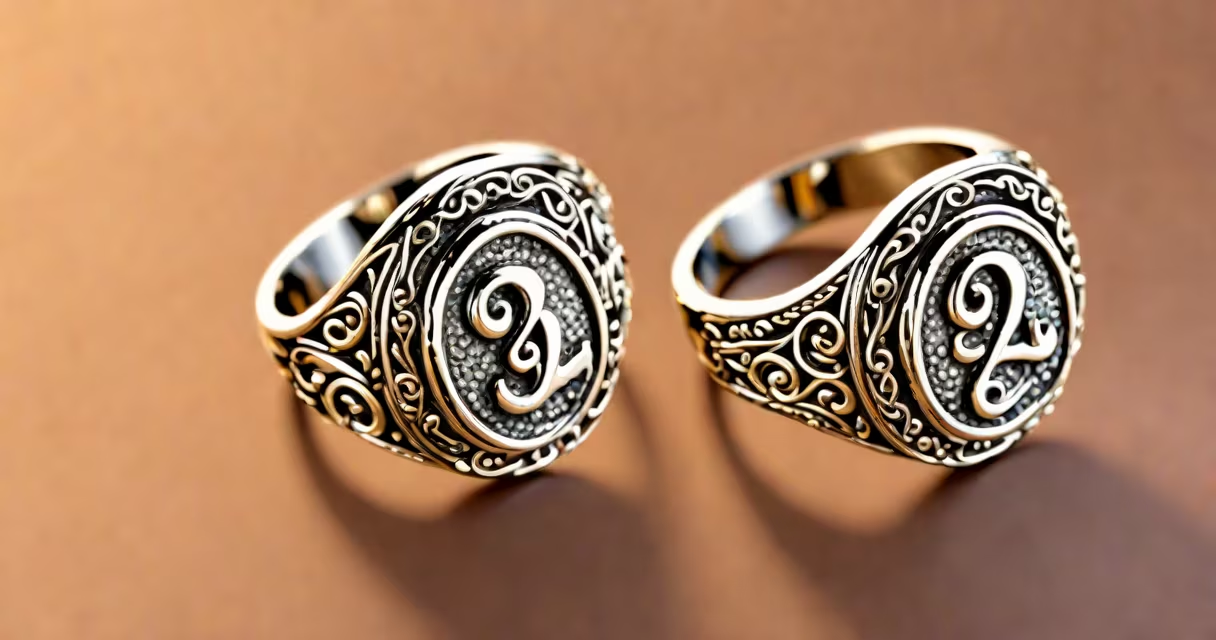
The "925" stamp on jewelry means the piece is made of sterling silver-92.5% pure silver mixed with 7.5% other metals, typically copper, to increase durability. This standard is internationally recognized and ensures consistent quality across brands.
Sterling silver is widely used in rings, necklaces, earrings, and bracelets because it combines luster, affordability, and workability. The 925 mark appears on nearly all genuine sterling silver items sold commercially. It's not a brand or designer signature-it's a legal requirement in many countries to indicate metal purity.
For comparison, fine silver (99.9% pure) is too soft for most jewelry. Adding alloy metals strengthens the silver without affecting its appearance. The 7.5% alloy prevents tarnishing and wear during daily use. Without this mix, silver would bend easily and lose its shape quickly.
Manufacturers apply the 925 stamp using a die press or laser engraving. The mark must be clear and permanent. In the U.S., the Federal Trade Commission requires that any item labeled "sterling" must contain at least 92.5% silver. Failure to comply can result in fines and product recalls.
When you see "925" stamped on a piece, it means the item contains 92.5 parts silver per 100 parts total metal. For example, a 10-gram sterling silver pendant contains 9.25 grams of pure silver and 0.75 grams of alloy. This ratio ensures strength while preserving the rich, reflective finish associated with silver jewelry.
Not all silver is marked. Some antique or handmade pieces may lack stamps due to age or craftsmanship methods. However, unmarked silver cannot legally be sold as sterling. If a seller claims a piece is "sterling" without a 925 mark, it's likely not genuine.
While "925" is the most common indicator of sterling silver, other hallmarks exist depending on country of origin and manufacturer standards. These marks often appear alongside the 925 stamp.
| Mark | Meaning | Common Region |
|---|---|---|
| 925 | 92.5% pure silver | Global standard |
| SS | Short for "sterling silver" | U.S., UK |
| STER | Alternative spelling of sterling | Europe, North America |
| 925/1000 | Same as 925, written as a fraction | Germany, Austria |
| EPNS | Electroplated nickel silver (not sterling) | UK, Europe |
Some pieces feature multiple marks. A U.S.-made ring might show "925" and "US" for country of origin. European items often include a maker's mark-a symbol or initials indicating the craftsman or company. These details help authenticate vintage or collectible pieces.
A key distinction: EPNS (electroplated nickel silver) is not sterling. It's a base metal coated with a thin layer of silver. While it looks similar, EPNS lacks the weight, density, and long-term value of real sterling silver. Always check for the 925 stamp-not just a silver-colored finish.
Many people assume that any silver-colored jewelry is sterling. That's false. Base metals like aluminum, brass, or stainless steel can mimic silver but don't contain real silver at all. The 925 stamp is the only reliable way to confirm authenticity.
Another myth: "925 means it's valuable." Not necessarily. The stamp confirms purity, not price. A 925-marked bracelet from a discount retailer may cost less than $20. Value depends on design, craftsmanship, and market demand-not the stamp alone.
Here's a non-obvious fact: Sterling silver can tarnish over time. The 7.5% alloy reacts with sulfur in the air, forming a dark film. This doesn't mean the piece is fake-it's normal. Cleaning with a soft cloth and storing in airtight bags reduces tarnishing. Real 925 silver will always return to shine with proper care.
I once examined a vintage ring from the 1950s with no visible markings. The seller claimed it was "old silver." I tested it with a nitric acid test strip (available at jewelry supply stores). The reaction turned green-indicating silver content. Then I looked closely at the inner band. There, etched faintly, was "925."
Further research confirmed the ring was made in London and had a maker's mark of a lion passant, which is part of the UK's official sign system. Combined with the 925 stamp, this proved it was authentic sterling silver. Had the stamp been missing or replaced with "900," it would have been suspect.
This example shows why visual inspection alone isn't enough. Even experienced buyers can misjudge a piece without verifying the mark. Always look for the 925 stamp-especially on older or imported items.
Knowing the meaning of "925" protects you from scams. Counterfeit jewelry often uses misleading stamps like "925" on non-silver materials. Some sellers even use fake tools to press the mark onto cheap metal. A genuine 925 stamp must be precise and consistent in depth and alignment.
If you're buying online, ask for close-up photos showing the stamp under good lighting. Look for clarity and symmetry. Blurry or uneven marks suggest poor craftsmanship or fraud. Reputable retailers provide detailed images and certification.
For collectors, understanding the 925 stamp helps track provenance. Many antique dealers use the mark to date pieces. A 925 stamp with a specific maker's mark can trace a ring to a known silversmith or workshop. This adds historical context and increases resale value.
When in doubt, consult a professional jeweler. Most offer free evaluation services. They can use a spectrometer or acid test to confirm silver content. These tests are accurate within ±0.1%, far beyond what casual inspection can achieve.
Understanding what "925" means on jewelry ensures you're investing in real silver. It's not just a label-it's a promise of quality and consistency. selling your own pieces, this mark is your first line of defense against fraud.