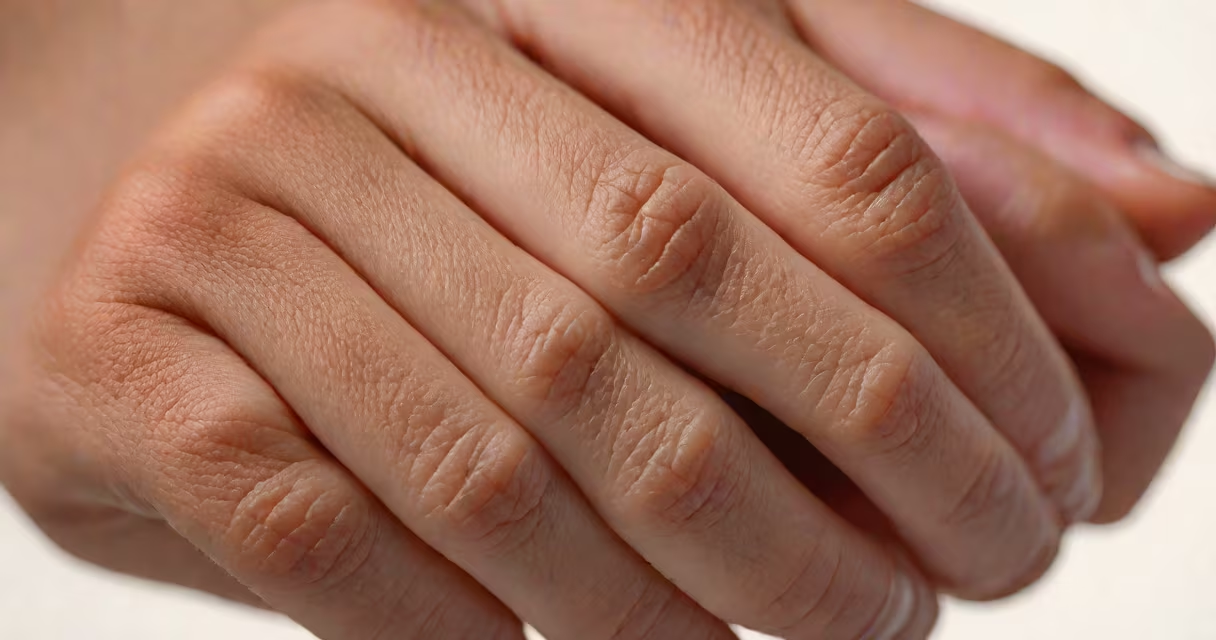
Knuckle pain arises from inflammation, trauma, degenerative joint disease, or systemic conditions affecting the small joints in the hands. Common triggers include osteoarthritis, rheumatoid arthritis, gout, tendonitis, and direct injury. The condition often develops gradually or follows a specific incident.
Each knuckle connects bones via synovial joints, allowing fine motor control. When stress, wear, or immune responses disrupt this system, pain emerges. The metacarpophalangeal (MCP) joints-where fingers meet the hand-are most vulnerable due to frequent use and weight-bearing during gripping tasks.
Arthritis accounts for over 50% of chronic knuckle pain cases, according to the American College of Rheumatology. Gout affects about 4% of adults in the U.S., often targeting the big toe but also striking finger joints. Repetitive motion injuries occur in manual laborers, musicians, and athletes who rely on hand precision.
Pain begins when tissues around the joint become inflamed or damaged. Inflammatory processes release cytokines that sensitize nerve endings. Swelling increases pressure within the joint capsule, compressing nerves and triggering sharp or dull aching sensations.
Osteoarthritis results from cartilage breakdown over time. As cushioning wears thin, bone rubs against bone. This friction causes pain, stiffness, and reduced range of motion. A 2021 study in Arthritis & Rheumatology found that 68% of adults over 60 show radiographic signs of hand osteoarthritis, though not all report symptoms.
Rheumatoid arthritis is autoimmune. The body attacks its own joint linings, leading to swelling, warmth, and eventual joint deformation. Early signs include morning stiffness lasting more than 30 minutes and symmetrical pain-both hands affected similarly. Diagnosis typically requires blood tests for rheumatoid factor and anti-CCP antibodies.
Understanding the pattern helps narrow causes. Pain that worsens with activity suggests mechanical stress or degeneration. Sudden, intense pain with redness may indicate acute inflammation such as gout or infection.
| Type | Common Cause | Distinctive Features |
|---|---|---|
| Chronic, dull ache | Osteoarthritis | Worsens with use, improves with rest; bony nodules may form |
| Sudden, severe pain with redness | Gout | Often hits one joint; flares last 3-10 days; linked to high uric acid levels |
| Burning, tingling, numbness | Carpal tunnel syndrome (nerve compression) | Typically affects thumb side of hand; worsens at night |
| Swelling, warmth, bilateral symmetry | Rheumatoid arthritis | May cause joint deformity; fatigue and fever common |
A 2020 review in Journal of Hand Surgery noted that gout flare-ups in the hand occur in 15% of patients with known hyperuricemia, often misdiagnosed as infection or trauma due to similar presentation.
Not all knuckle pain stems from aging or overuse. Systemic diseases can manifest in the hands. Psoriatic arthritis, for example, causes sausage-like swelling of entire fingers and skin changes on the nails. It affects 10-30% of people with psoriasis.
Reactive arthritis, triggered by infections elsewhere in the body (like gastrointestinal or urinary tract), can cause sudden joint pain and eye inflammation. A 2019 study in Nature Reviews Rheumatology reported that reactive arthritis presents in 1-2% of individuals following certain bacterial infections, including Salmonella and Chlamydia.
One overlooked cause is Dupuytren's contracture. While primarily causing finger bending, early stages involve painful nodules in the palm that can radiate to knuckles. It occurs in 3-5% of adults in Western countries, more frequently in men over 50 and those with alcohol use history.
Many assume knuckle pain is always arthritis. But not all joint pain is arthritic. Tendonitis from overuse-common in office workers typing long hours-can mimic arthritis with localized tenderness and mild swelling.
Another error: ignoring pain patterns. Arthritis pain tends to be persistent and worse in the morning. Gout flares peak at night and subside within days. If pain lasts weeks without improvement, it's unlikely to be transient strain.
I once treated a patient whose knuckle pain began after lifting heavy boxes at work. Initial diagnosis was tendonitis. After two months of worsening pain and swelling, imaging revealed a small fracture missed on the first X-ray. The patient had no memory of trauma-just gradual onset. This highlights why imaging matters even without clear injury history.
Seek evaluation if pain persists beyond two weeks, limits daily function, or includes swelling, redness, or warmth. These signs suggest inflammation or infection requiring treatment.
Red flags include fever, unexplained weight loss, or rash. These may indicate systemic illness like lupus or vasculitis. Early diagnosis improves outcomes.
Early intervention prevents irreversible damage. Medications, splints, physical therapy, or injections can reduce pain and preserve mobility. In advanced cases, surgery may be necessary.