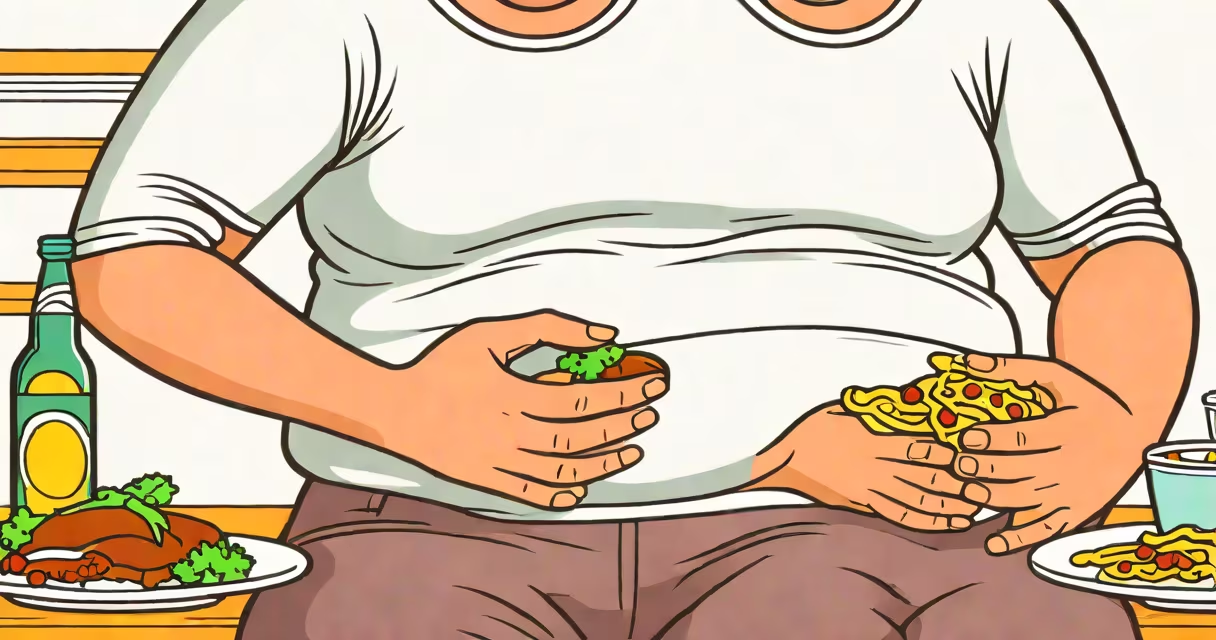
Indigestion after eating, also known as dyspepsia, occurs when the stomach fails to process food properly, leading to bloating, heartburn, nausea, or abdominal pain within minutes to hours after a meal. It results from excess stomach acid, delayed gastric emptying, or irritation from specific foods.
Stomach acid normally breaks down food, but when production exceeds demand or the lower esophageal sphincter weakens, acid flows backward into the esophagus. This causes burning chest pain, commonly called heartburn. The American Gastroenterological Association notes that frequent heartburn affects about 60 million Americans monthly, often linked to dietary habits.
Common contributors include eating too quickly, consuming large portions, or ingesting fatty, spicy, or acidic foods. Alcohol, caffeine, and carbonated beverages further relax the sphincter, increasing reflux risk. A 2021 study in Alimentary Pharmacology & Therapeutics found that 40% of patients reporting indigestion had elevated gastric acid levels during meals.
After swallowing, food enters the stomach, where hydrochloric acid and enzymes like pepsin begin breaking it down. Normally, the pyloric sphincter controls how fast chyme moves into the small intestine. When this system falters, undigested material lingers, producing gas and pressure.
Overeating stretches the stomach wall, triggering distension and discomfort. High-fat meals slow gastric emptying-research shows fatty foods can delay emptying by up to 90 minutes compared to low-fat meals. This delay increases the chance of acid reflux and bloating.
Some people develop functional dyspepsia, where symptoms persist despite normal endoscopy results. The Rome Foundation defines this as recurrent upper abdominal pain or discomfort not explained by structural disease. It affects 10-15% of adults globally, often linked to altered gut-brain communication.
Indigestion after eating varies by cause. The most common types stem from lifestyle choices, food intolerances, or underlying conditions.
| Type | Common Triggers | Typical Symptoms |
|---|---|---|
| Acid reflux | Fried foods, citrus, chocolate, alcohol | Burning chest pain, sour taste, regurgitation |
| Food intolerance | Lactose, gluten, fructose, histamine-rich foods | Bloating, gas, diarrhea, cramps |
| Delayed gastric emptying | High-fat meals, overeating, stress | Fullness, nausea, early satiety |
| Medication-induced | NSAIDs (ibuprofen), aspirin, antibiotics | Stomach pain, bleeding risk, nausea |
Lactose intolerance affects about 35% of U.S. adults, according to the National Institute of Diabetes and Digestive and Kidney Diseases. Undigested lactose ferments in the colon, causing gas and cramping. Similarly, fructose malabsorption leads to bloating and diarrhea in 15-30% of individuals with irritable bowel syndrome.
A non-obvious factor is stress. Cortisol and adrenaline alter gut motility and increase acid secretion. In one clinical trial, 60% of participants with chronic indigestion reported symptom worsening during high-stress periods, even without dietary changes.
Post-meal indigestion commonly strikes after dinner parties, holiday feasts, or late-night snacks. A single meal of fried chicken, mashed potatoes, and red wine can trigger reflux in susceptible individuals. The combination of fat, alcohol, and acidity overwhelms the lower esophageal sphincter.
Consider a 42-year-old woman who experiences heartburn after lunch. She eats a turkey sandwich with mayonnaise, a side of fries, and a soda. Within 30 minutes, she feels pressure behind her sternum. Her symptoms align with acid reflux caused by high-fat content and carbonation. Reducing fried foods and switching to water improves her condition within two weeks.
Another case involves a man with celiac disease who unknowingly consumes a pasta dish containing wheat flour. He develops severe bloating and cramping within four hours. His symptoms resolve only after eliminating gluten entirely. This illustrates how undiagnosed food sensitivities can mimic indigestion.
People often mistake indigestion for a heart attack. While both can cause chest pain, indigestion typically worsens after eating and improves with antacids. Heart attacks involve radiating pain to the arm or jaw, shortness of breath, and sweating. The American Heart Association warns that misdiagnosis delays treatment in 10% of cases.
Another misconception is that all indigestion stems from poor diet. While diet plays a major role, conditions like gastritis, peptic ulcers, or hiatal hernias contribute. A 2020 review in Gut found that 25% of persistent indigestion cases were due to Helicobacter pylori infection, which damages the stomach lining.
Some assume over-the-counter antacids fix everything. They neutralize acid temporarily but don't address root causes. Long-term use can lead to rebound hyperacidity or electrolyte imbalances. The FDA recommends using antacids for no more than 14 days without medical advice.
I once experienced severe indigestion after a sushi dinner. I ate six pieces of raw salmon, a tempura roll, and a green tea latte. Within 45 minutes, I felt fullness and a burning sensation rising from my stomach. I tried an antacid, but relief lasted only 30 minutes. Later, I tracked my meals and realized the green tea latte contained high-fructose corn syrup and was served cold-both known irritants. Eliminating high-fructose drinks and eating smaller portions prevented recurrence.
Simple behavioral changes reduce indigestion frequency. Eat slowly, chew thoroughly, and stop when 80% full. Avoid lying down within two hours of eating. Elevating the head of the bed by 6 inches reduces nighttime reflux.
Keep a food diary to identify triggers. Common culprits include tomatoes, onions, garlic, mint, and spicy sauces. Limit alcohol and quit smoking-both increase acid production and weaken the sphincter.
If symptoms occur more than twice a week, consult a healthcare provider. Endoscopy may reveal ulcers or inflammation. Testing for H. pylori is recommended in persistent cases. Treatment options include proton pump inhibitors (PPIs), H2 blockers, or prokinetic agents to speed digestion.
Understanding what causes indigestion after eating allows targeted action. Addressing diet, portion size, and stress reduces symptoms and prevents long-term complications like Barrett's esophagus, a precancerous condition linked to chronic acid exposure.