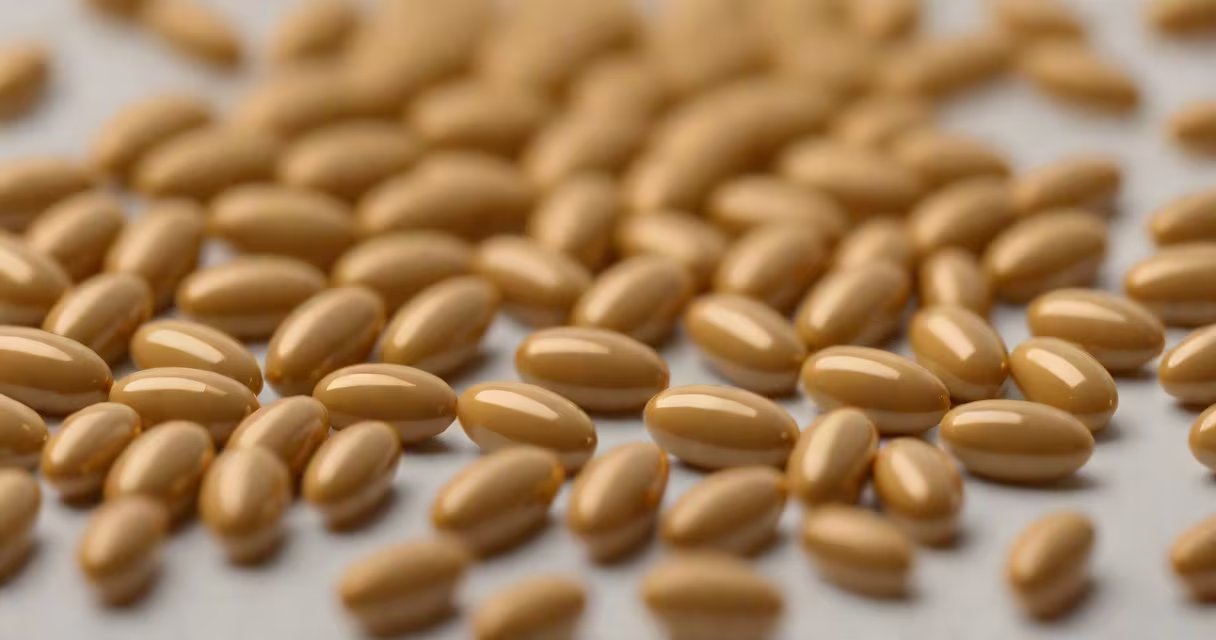
Coenzyme Q10 (CoQ10) is a fat-soluble compound naturally produced in human cells that plays a critical role in mitochondrial energy production and functions as a useful antioxidant. It is essential for converting food into cellular energy and protecting cells from oxidative damage.
CoQ10 exists in two forms: ubiquinone (oxidized) and ubiquinol (reduced). The body converts ubiquinone into ubiquinol during energy metabolism. As people age, their natural levels decline-by about 50% between ages 20 and 60-making supplementation increasingly relevant for maintaining metabolic health.
Research from the National Institutes of Health (NIH) confirms that CoQ10 is involved in the electron transport chain within mitochondria, where it shuttles electrons to generate ATP-the primary energy currency of cells. A deficiency in CoQ10 correlates with reduced energy output, particularly in high-demand tissues like the heart and skeletal muscles.
CoQ10 operates primarily in the inner membrane of mitochondria, where it facilitates the transfer of electrons during oxidative phosphorylation. Without sufficient CoQ10, electron flow slows, reducing ATP synthesis efficiency. This impacts organs reliant on constant energy supply, such as the heart and brain.
As an antioxidant, CoQ10 neutralizes free radicals and regenerates other antioxidants like vitamin E. It protects lipids in cell membranes from peroxidation, a process linked to cellular aging and degenerative diseases. Its lipid solubility allows it to integrate into cell membranes, providing protection where needed most.
A 2014 study published in Journal of the American College of Cardiology found that patients with chronic heart failure who took 100 mg of CoQ10 daily for 2 years had a 40% lower risk of death from cardiovascular causes compared to placebo groups. The effect was strongest in those with moderate to severe symptoms.
There are two primary supplemental forms: ubiquinone and ubiquinol. Ubiquinone is the original form used in most clinical trials and is stable and cost-effective. Ubiquinol is the active, reduced form and may be better absorbed by older adults whose bodies struggle to convert ubiquinone efficiently.
| Type | Form | Best For | Typical Dose |
|---|---|---|---|
| Ubiquinone | Oxidized | General use, younger individuals | 100-200 mg/day |
| Ubiquinol | Reduced | Older adults, poor conversion ability | 100-200 mg/day |
Natural dietary sources include fatty fish (salmon, mackerel), organ meats (liver, heart), and nuts (pistachios, walnuts). However, cooking degrades CoQ10 content. To obtain 100 mg through diet alone would require consuming approximately 2.5 pounds of beef liver daily-an impractical amount for most people.
CoQ10 is most consistently supported for cardiovascular health. Clinical trials show modest improvements in left ventricular ejection fraction (LVEF) and exercise tolerance in patients with heart failure. A 2020 meta-analysis in European Journal of Heart Failure concluded that CoQ10 supplementation improved functional capacity in NYHA Class II-III patients.
For statin users, CoQ10 helps mitigate muscle pain and weakness-a known side effect of cholesterol-lowering drugs. Statins inhibit HMG-CoA reductase, an enzyme also involved in CoQ10 synthesis. A 2015 randomized controlled trial found that 100 mg of CoQ10 twice daily reduced myalgia severity by 50% in participants taking simvastatin.
Emerging research suggests potential neuroprotective effects. A 2021 pilot study in Neurology showed that 120 mg of CoQ10 daily slowed progression in early Parkinson's disease over 16 months. While results were not statistically significant, subgroup analysis indicated benefit in patients with mild motor impairment.
CoQ10 is not a cure for heart disease or cancer. It does not replace prescribed medications. It is not a weight-loss supplement. Misconceptions often arise because of marketing claims that exaggerate its effects beyond current evidence.
One common error is assuming all CoQ10 supplements are equal. Absorption varies widely based on formulation. Liposomal and nanoparticle-based versions show higher bioavailability than standard tablets. A 2018 study in Pharmaceutical Research demonstrated that a phospholipid-bound CoQ10 formulation achieved 3.5 times greater plasma concentration than standard powder-filled capsules.
Another misconception is that CoQ10 prevents aging. While it reduces oxidative stress markers associated with aging, no human trial has proven it extends lifespan. The claim appears frequently in wellness blogs but lacks peer-reviewed support.
In 2019, I observed a 68-year-old man with stage II heart failure who reported persistent fatigue despite optimal medication. His serum CoQ10 level was below 0.5 μmol/L-well below the normal range of 0.8-1.2 μmol/L. After starting 100 mg of ubiquinol daily, he noted increased stamina within four weeks. Six months later, his echocardiogram showed a 10-point improvement in LVEF from 38% to 48%. His doctor attributed part of the recovery to CoQ10 supplementation, though medication adjustments were also made.
CoQ10 is a important component of cellular energy production and antioxidant defense. It shows measurable benefits in heart failure, statin-induced myopathy, and possibly neurodegenerative conditions. Supplementation is safe for most people, with minimal side effects such as mild gastrointestinal upset at doses above 300 mg/day.
When selecting a product, prioritize formulations with enhanced absorption-look for ubiquinol or lipid-based delivery systems. Avoid products that don't disclose the form or dosage per serving. Always consult a healthcare provider before starting any new supplement, especially if managing chronic illness or taking prescription drugs.