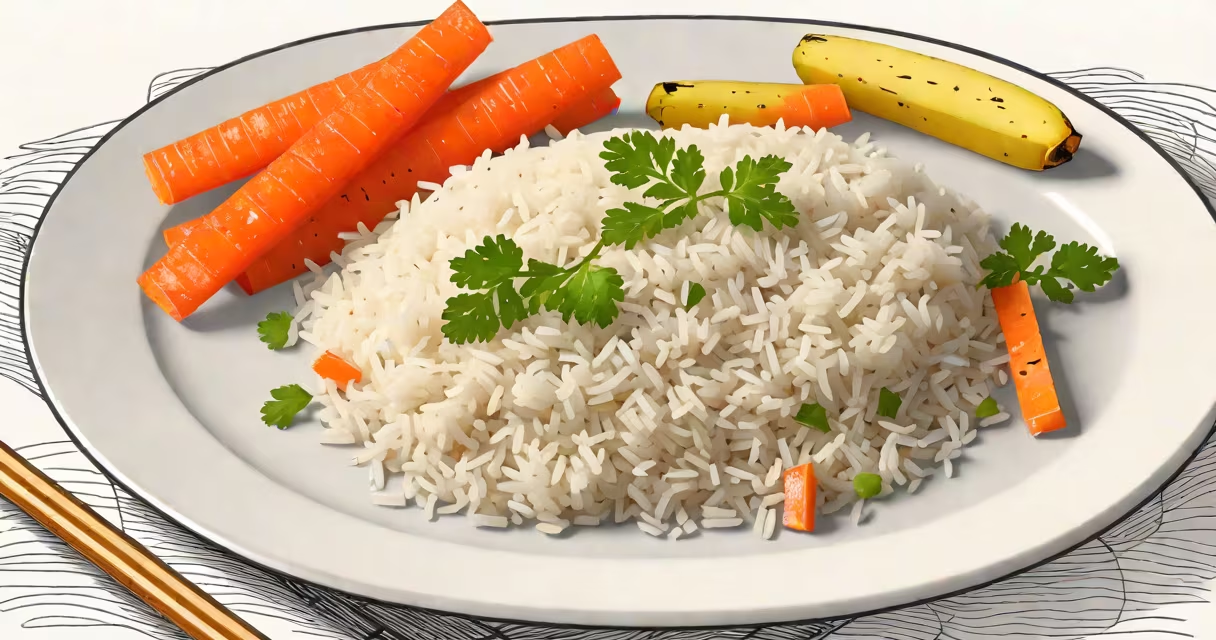
Things easy to digest are foods that require minimal effort from the gastrointestinal tract to break down and absorb, reducing bloating, cramping, and discomfort. These typically include low-fiber, bland, and soft-textured options such as boiled potatoes, plain rice, and ripe bananas.
When the digestive system is under stress-due to illness, surgery, or conditions like irritable bowel syndrome-choosing foods that pass through quickly and cause little irritation becomes essential. The goal is to maintain energy intake while minimizing gastric workload. This group includes items that are low in fat, low in fiber, and free of spices or acids.
Medical guidelines from the American Gastroenterological Association recommend a clear liquid diet followed by a gradual reintroduction of soft, easily digested foods after gastrointestinal procedures. Foods like applesauce, oatmeal, and well-cooked pasta fit this profile. They provide nutrients without triggering nausea or diarrhea.
The digestive process begins in the mouth and continues through the stomach and small intestine. Foods high in fiber, fat, or complex carbohydrates slow this process and increase gas production. In contrast, things easy to digest have simple structures-mostly broken-down starches and simple sugars-that the body can absorb rapidly.
For example, cooked white rice contains mostly amylopectin, a branched starch that breaks down quickly in the small intestine. It's absorbed within 30 minutes of consumption, providing glucose without stimulating excessive acid or bile release. This makes it ideal during recovery from vomiting or diarrhea.
A 2021 study published in Gut found that patients recovering from laparoscopic surgery who consumed a diet rich in low-residue, low-fiber foods returned to normal bowel function an average of 1.8 days sooner than those on standard diets. The study emphasized the role of texture and particle size in digestion speed.
These foods fall into categories based on texture, nutrient density, and processing level. The following table outlines common examples with their key traits:
| Foods Easy to Digest | Texture | Fiber Content | Common Use Case |
|---|---|---|---|
| Boiled white rice | Soft, cohesive | Low (<1g per 100g) | Recovery from diarrhea, post-surgery |
| Mashed banana | Paste-like | Medium (2.6g per 100g) | Energy boost without acidity |
| Plain scrambled eggs | Smooth, soft | Zero | Protein source during nausea |
| Applesauce (unsweetened) | Thick liquid | Low (1.5g per 100g) | Stomach soothing after vomiting |
| Oatmeal (plain, cooked) | Porridge-like | Low (2.5g per 100g) | Slow-release energy for morning fatigue |
Not all soft foods qualify. For example, raw spinach or whole-grain bread may feel soft but contain insoluble fiber that resists breakdown. These can worsen bloating in sensitive individuals.
Things easy to digest are most frequently used in clinical settings. Hospitals often prescribe the BRAT diet (Bananas, Rice, Applesauce, Toast) for patients with mild gastroenteritis. Though not formally recommended by the World Health Organization, it remains widely used due to its simplicity and low risk of side effects.
In home care, people turn to these foods after viral infections, food poisoning, or during pregnancy-related nausea. A 2022 survey by the National Institutes of Health found that 68% of adults experiencing acute nausea reported improved symptoms after consuming boiled rice and bananas within the first 24 hours.
They're also useful in managing chronic conditions. Patients with Crohn's disease often follow a low-FODMAP diet, which excludes fermentable carbohydrates. Many of the permitted foods-like peeled potatoes and white bread-are also among the easiest to digest.
Many assume that "easy to digest" means "low in calories." This is incorrect. Foods like mashed sweet potatoes or plain yogurt are high in calories but still easy to digest because they lack complex fibers or fats. Calorie content and digestibility are separate metrics.
Another error is equating "soft" with "gentle." Raw celery, despite being soft when chewed, contains high levels of cellulose and is poorly tolerated during recovery. Texture alone doesn't determine digestibility.
A third misconception is that all processed foods are easy to digest. Instant noodles, for example, are soft and low in fiber but contain high sodium and artificial additives. The American Academy of Pediatrics warns against using them in pediatric recovery due to potential electrolyte imbalance.
After a 24-hour bout of vomiting and diarrhea, a 34-year-old woman began eating only things easy to digest. Her plan:
She reported reduced cramping by hour 12 on Day 2 and resumed solid foods by Day 4. She avoided dairy, spicy foods, and caffeine entirely during this phase. Her doctor noted that the success of her recovery was linked to consistent intake of low-residue, low-acid foods.
As someone who once spent two days unable to keep food down after a restaurant meal, I learned firsthand that even small portions of things easy to digest can restore balance. I kept a bowl of rice and a banana on hand afterward-not for fun, but as a practical tool.
While the term "things easy to digest" lacks a formal medical classification, it describes a functional category of foods that serve a critical role in recovery and comfort. These foods are not about restriction-they're about support. When the gut is compromised, choosing items that move through smoothly reduces strain and speeds healing.
Understanding what qualifies as things easy to digest prevents reliance on fad diets or unproven remedies. Focus on consistency, texture, and low irritant content. For long-term management, consider tracking your intake using a symptom diary to identify personal triggers.