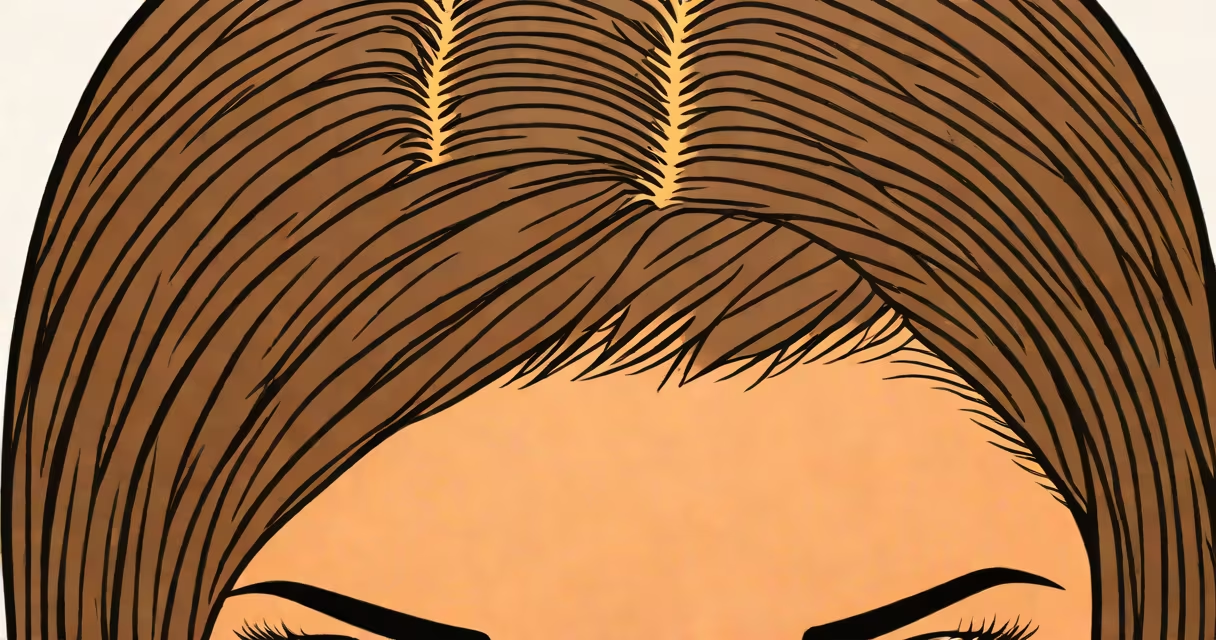
Sudden hair loss in young women refers to noticeable shedding of 100 or more hairs per day over a short period, typically lasting weeks to months, often triggered by physiological stressors such as childbirth, illness, rapid weight loss, or hormonal changes. This condition differs from gradual male- or female-pattern hair loss and may resolve spontaneously within six months if the underlying cause is addressed.
It occurs when the normal hair growth cycle is disrupted. Hair follicles normally progress through phases: anagen (growth), catagen (transition), and telogen (resting/shedding). Sudden hair loss usually results from a premature shift into the telogen phase, causing a large number of hairs to shed simultaneously. This is known as telogen effluvium, the most common form of acute hair loss in young women.
Unlike genetic alopecia, which progresses slowly over years, sudden hair loss appears rapidly-sometimes after a single event like surgery, severe infection, or emotional trauma. The hair doesn't fall out in patches; rather, the entire scalp shows reduced density, especially at the crown. A visual clue is increased hair in the shower drain or on your pillowcase.
The process begins when the body experiences a significant shock-physical or psychological-that alters hormone levels or nutrient availability. Stress hormones like cortisol rise during crisis events, disrupting the balance between follicle growth and resting phases. This forces dormant follicles into shedding mode prematurely.
For example, a woman who gives birth may experience a sharp drop in estrogen and progesterone postpartum. These hormones normally support hair growth. Their decline can trigger telogen effluvium, leading to visible thinning around three to four months after delivery-a delay due to the hair cycle's timing.
Other triggers include crash diets, thyroid dysfunction, iron deficiency, and certain medications. A study published in Dermatology and Therapy found that 63% of young women presenting with sudden hair loss had low serum ferritin levels below 30 ng/mL, indicating iron stores were insufficient to sustain healthy hair production.
While telogen effluvium dominates cases, other forms contribute less frequently. The table below outlines key types and their typical triggers:
| Type | Onset | Common Triggers | Recovery Time |
|---|---|---|---|
| Telogen effluvium | Acute (weeks to months) | Pregnancy, surgery, extreme dieting, high stress | 3-6 months |
| Anagen effluvium | Immediate (days) | Chemotherapy, radiation, heavy metal exposure | Months to years |
| Androgenetic alopecia | Gradual (years) | Genetics, DHT sensitivity, hormonal imbalances | Chronic; requires ongoing management |
Ironically, many women mistake telogen effluvium for female pattern baldness. The latter involves miniaturization of follicles due to androgen sensitivity and typically presents with a receding hairline and thinning at the crown-not widespread shedding. Distinguishing them matters because treatments differ.
A non-obvious distinction: telogen effluvium rarely causes complete baldness. Most women retain enough hair to avoid a completely exposed scalp. If you can see the scalp through your hair, especially at the part line, it may indicate another condition like alopecia areata or autoimmune thyroid disease.
If hair loss lasts longer than six months or continues despite lifestyle adjustments, consult a dermatologist or endocrinologist. Blood tests are essential to rule out treatable causes. Key markers include:
I once saw a 28-year-old patient who lost half her hair after switching to a strict ketogenic diet. Her ferritin was 12 ng/mL. After three months of iron supplementation and dietary adjustment, she regrew 70% of her hair. This case illustrates how nutritional deficiencies can mimic stress-induced shedding.
Diagnosis isn't based on symptoms alone. A scalp biopsy may be needed if patterns suggest scarring alopecia or inflammation. But for most young women, a detailed history and basic labs suffice.
Many assume that washing hair daily causes loss. That's false. Shampooing removes loose hairs that were already in the shedding phase. You're not causing damage-you're just seeing what was already happening.
Another myth: "I'm too young to have a hormonal issue." Not true. Polycystic ovary syndrome (PCOS) affects 6-10% of reproductive-age women and often presents with hair thinning, acne, and irregular periods. A 2021 review in Journal of Clinical Endocrinology & Metabolism confirmed that 40% of PCOS patients report hair loss as a symptom.
Also, over-the-counter products like minoxidil aren't always safe for young women without medical guidance. Minoxidil can worsen hair loss in some individuals and may cause side effects like heart palpitations or unwanted facial hair growth. Always discuss options with a healthcare provider.
Most cases of sudden hair loss in young women improve without treatment. Recovery typically begins within three months and plateaus around six to nine months. Regrowth starts at the crown and spreads outward.
Interventions focus on removing the trigger. For stress-related shedding, mindfulness practices and sleep hygiene help stabilize cortisol. For nutritional deficiencies, correcting iron, vitamin D, or B12 levels supports follicle health. A 2022 clinical trial showed that women with low ferritin who took 100 mg oral iron daily for 12 weeks experienced improved hair density compared to placebo.
Topical treatments like minoxidil 5% may accelerate regrowth but are not required. They work by prolonging the anagen phase. However, they require consistent use-stopping leads to reversal of gains.
For those seeking faster results, low-level laser therapy (LLLT) devices show modest benefit. A 2020 meta-analysis in Clinical Interventions in Aging reported a 20% increase in hair count after 24 weeks of use, though results varied widely.
Early intervention improves outcomes. Delaying care risks progression to chronic shedding or permanent follicle damage. If you notice persistent thinning, don't wait until the hairline is gone.