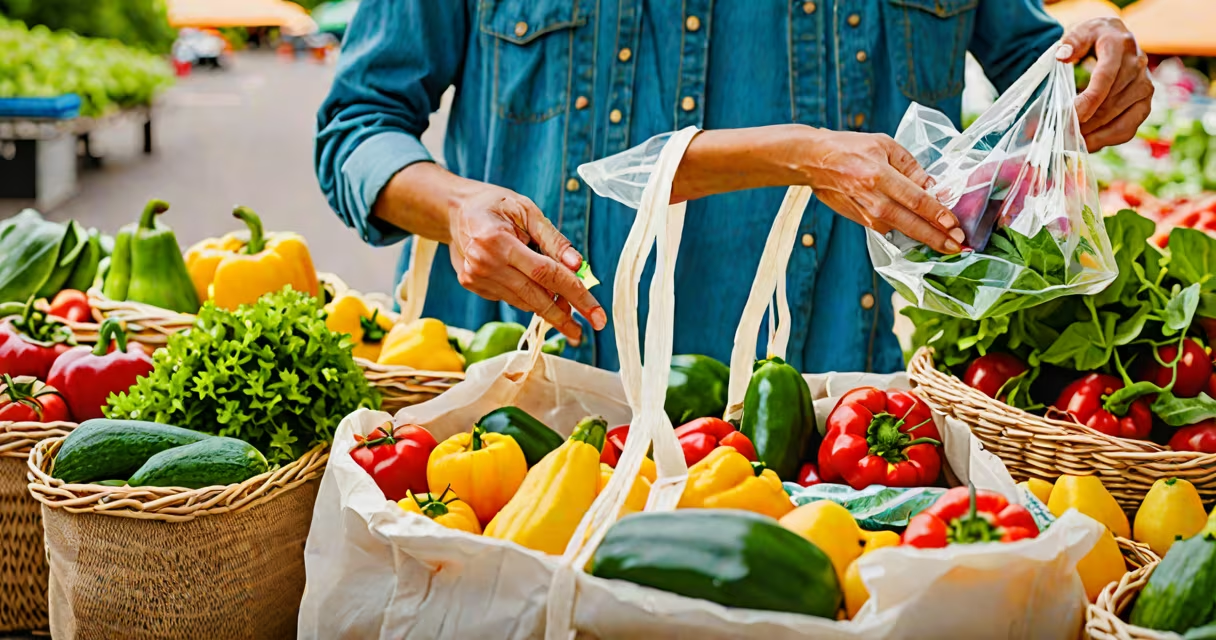
Reducing plastic consumption means actively cutting down on the use of single-use and disposable plastic products to minimize environmental harm, conserve resources, and reduce pollution. This involves replacing plastic items with reusable, biodegradable, or alternative materials in daily routines.
Plastic production has surged since the 1950s. Global output reached 460 million metric tons in 2023, with over 40% used for packaging that's discarded within minutes. Most of this ends up in landfills, oceans, or incinerators. Reducing plastic consumption tackles this crisis at the source-by changing individual habits and systemic design.
Every year, 11 million metric tons of plastic enter the ocean. That's equivalent to dumping a garbage truck of plastic into the sea every minute. The problem isn't just visual-it disrupts ecosystems, enters the food chain, and threatens human health. Reducing plastic consumption directly addresses these impacts.
It operates through substitution and behavioral change. Instead of buying bottled water, for example, people carry refillable bottles. Instead of using plastic cutlery at events, they bring metal or bamboo utensils. These shifts reduce demand for new plastic, lower waste volume, and decrease fossil fuel use tied to plastic manufacturing.
Manufacturers often design products with short lifespans and high plastic content. When consumers consistently choose alternatives-like glass jars over plastic ones-the market responds. Demand shifts toward sustainable options, pushing companies to reformulate products and redesign packaging.
A 2022 study by the University of California, Santa Barbara, found that households adopting reusable alternatives reduced their plastic waste by 70% over six months. The most effective changes were switching to reusable shopping bags, water bottles, and food containers. These actions require minimal cost and effort but deliver measurable environmental gains.
Strategies fall into three categories: personal habits, community initiatives, and policy-driven changes. Personal habits include carrying reusable items and refusing single-use plastics. Community efforts involve local cleanups, education campaigns, and reusable container programs. Policy measures include bans on certain plastics and extended producer responsibility laws.
| Strategy Type | Examples | Impact Level |
|---|---|---|
| Personal Habits | Reusable grocery bags, metal straws, cloth produce bags | Medium (cumulative effect) |
| Community Programs | Refill stations, deposit return schemes, school education | High (local behavior change) |
| Policy Measures | Bans on plastic bags, microplastic regulations, tax on single-use items | Very High (systemic change) |
One underreported success story is the city of San Francisco's 2007 ban on plastic bags. After implementation, plastic bag litter in storm drains dropped by 72% within two years. The city later expanded the ban to include polystyrene foam containers. These policies show that regulatory action complements individual effort.
Many assume that recycling solves the plastic problem. But only 9% of all plastic ever produced has been recycled. Most plastic is not recyclable due to complex mixtures of resins, additives, or contamination. Relying on recycling delays the need for actual reduction.
Another myth is that bioplastics are always better. Some bioplastics require industrial composting facilities, which aren't widely available. Others degrade slowly in natural environments and still release microplastics. A 2021 report from the European Environment Agency confirmed that bioplastics do not eliminate environmental risk-they merely shift it.
There's also confusion between "plastic-free" and "low-plastic." True reduction doesn't require perfection. A person who replaces 80% of their single-use plastic items still makes a meaningful difference. The goal is progress, not purity.
In 2023, a family of four in Portland, Oregon, tracked their plastic use for six months. They began by auditing their weekly purchases. They discovered they used 32 plastic bags, 18 plastic bottles, and 45 plastic food wrappers per week.
They replaced these with:
After six months, their plastic waste dropped from 22 kg to 6.5 kg. They saved $180 on groceries by avoiding pre-packaged foods. Their trash pickup weight decreased by 30%. They reported feeling less anxious about waste and more connected to their local environment.
This case shows that small, consistent choices compound into significant change. It also highlights that reducing plastic consumption isn't about sacrifice-it's about finding better tools for daily life.
Reducing plastic consumption is urgent in coastal regions, where plastic debris harms marine species. Sea turtles mistake plastic bags for jellyfish. Birds feed plastic fragments to chicks. Microplastics have been found in human blood, placenta, and lungs, according to a 2022 study published in Environmental Science & Technology.
Urban centers face higher plastic loads due to dense populations and inefficient waste systems. In Jakarta, Indonesia, rivers carry over 100 tons of plastic into the Java Sea daily. Local groups have launched "plastic banks" where residents exchange waste for goods or credit-proving that reducing plastic consumption can support both ecology and economy.
Even indoor spaces contribute. Offices generate 30% of single-use plastic waste from coffee cups, takeout containers, and packaging. A 2023 audit by the World Resources Institute found that offices adopting reusable dishware reduced plastic waste by 60% in nine months.
Reducing plastic consumption is not the same as recycling. Recycling processes consume energy and water and often fail to recover plastic quality. It's a secondary solution, not a primary fix.
It's also not synonymous with "going green." Sustainability includes energy use, water, and carbon emissions. Reducing plastic consumption focuses specifically on minimizing synthetic polymer use.
Finally, it's not limited to individuals. While personal action drives momentum, systemic change-through product design, regulation, and infrastructure-is essential. A 2023 UN report emphasized that 80% of plastic waste reduction depends on policy and corporate accountability, not just consumer choice.
I once spent a weekend at a beach cleanup event near Monterey Bay. We collected 1,200 pounds of debris-over 60% was plastic. Among the finds: a child's shoe with a plastic sole, a toothbrush with a broken handle, and a bottle cap labeled "biodegradable." The irony wasn't lost on me. Even well-intentioned items fail without proper disposal systems. That moment solidified my belief: reducing plastic consumption means designing out waste before it's created.
Reducing plastic consumption is not a trend. It's a necessary shift in how society produces, uses, and disposes of materials. By choosing alternatives, supporting bans, and demanding transparency, individuals and communities drive lasting change. The path forward isn't perfection-it's consistency.