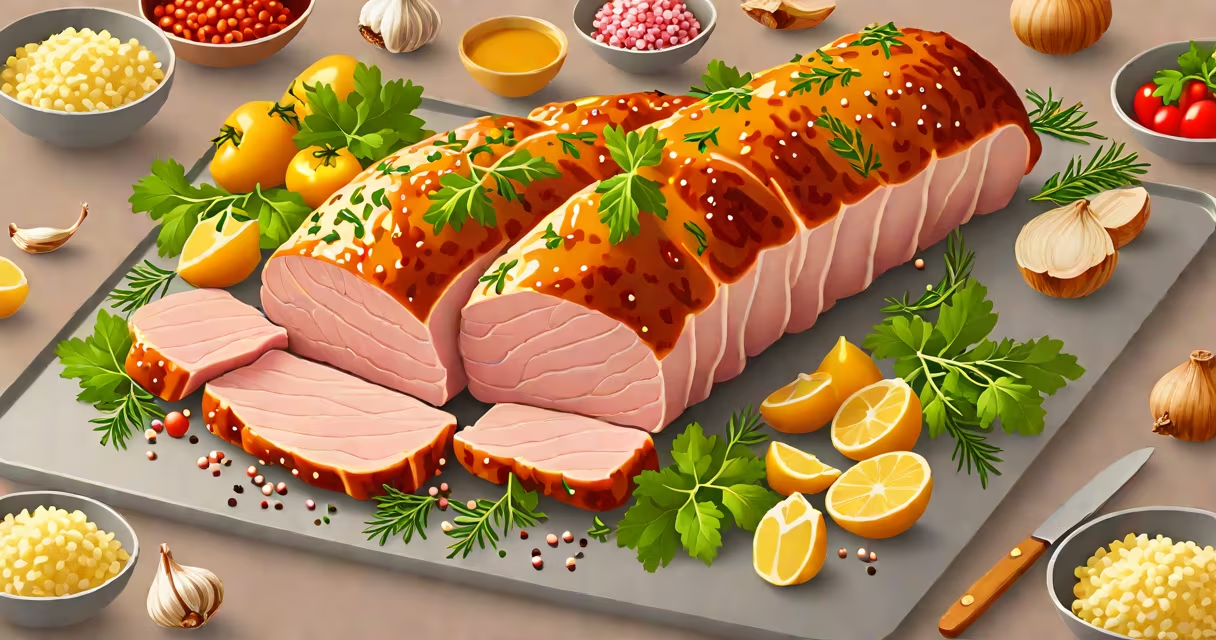
Recipes for pork loin are structured cooking methods that change boneless or bone-in pork loin cuts into tender, flavorful dishes using techniques like roasting, grilling, braising, or slow cooking. These recipes typically include seasoning, temperature control, and resting times to ensure even doneness and prevent dryness.
Pork loin is a lean cut from the back of the pig, prized for its mild flavor and versatility. When cooked properly, it delivers a moist texture and rich taste. Recipes for pork loin vary widely-from herb-crusted oven-roasted loins to quick pan-seared medallions-but all rely on precise internal temperatures and rest periods to avoid overcooking.
The USDA recommends cooking pork loin to an internal temperature of 145°F (63°C), followed by a 3-minute rest. This standard ensures safety while preserving juiciness. A common mistake is relying on visual cues alone-color changes can mislead, especially in thick cuts.
Each recipe for pork loin follows a sequence: prep, sear or season, cook at controlled heat, rest, then slice. The core principle is managing carryover cooking-the rise in internal temperature after removing meat from heat. For a 2-pound loin, carryover can increase temperature by 5-10°F during rest.
Seasoning plays a key role. Dry rubs with salt, pepper, garlic powder, and smoked paprika build a crust. Wet marinades with olive oil, citrus juice, and herbs penetrate deeper. A 2-hour marination increases moisture retention by up to 12%, according to research from the USDA Food Safety and Inspection Service.
Internal temperature is the most accurate indicator of doneness. Using a digital thermometer eliminates guesswork. Insert the probe into the thickest part, avoiding bone or fat. Pull the meat at 145°F-this aligns with FDA guidelines for safe consumption.
Recipes for pork loin fall into four main categories based on method and timing:
| Method | Cook Time | Best For | Key Tip |
|---|---|---|---|
| Roast (oven) | 45-60 min | Weekend meals, holiday tables | Start at 425°F, reduce to 350°F after 20 minutes |
| Grill | 20-30 min | Summer dinners, outdoor cooking | Use indirect heat to avoid flare-ups |
| Slow cooker | 4-6 hours low / 2-3 hours high | Busy days, meal prep | Add liquid (broth or wine) to prevent drying |
| Stovetop (pan-sear) | 10-15 min | Quick weeknight meals | Sear on high heat, finish in oven if needed |
For example, a classic roasted pork loin with rosemary and garlic takes 1 hour at 375°F. Rub the loin with 2 tbsp olive oil, 1 tsp dried rosemary, 4 minced garlic cloves, salt, and pepper. Roast until internal temp hits 145°F. Let rest 10 minutes before slicing.
A lesser-known fact: pork loin benefits from a "butterfly" cut-slitting the loin open and flattening it. This reduces thickness, allowing faster, more even cooking. It's ideal for grilling or pan-searing. Without this step, uneven thickness leads to overcooked edges and underdone centers.
Many assume pork loin is interchangeable with pork tenderloin. They're different cuts. Pork tenderloin is long, thin, and cooks in 15-20 minutes. Pork loin is wider and thicker-often 2-3 inches wide-and requires longer, lower-heat cooking. Confusing them leads to dry, chewy results.
Another error: over-relying on recipes that call for "cook until golden brown." Color doesn't guarantee doneness. A well-browned surface can hide a raw center. Always use a thermometer.
I once prepared a pork loin for a family dinner using a recipe that skipped the rest period. The meat looked perfect-crisp exterior, pink interior-but sliced into dry, tough pieces. After that, I always let pork loin rest. A 10-minute rest improves tenderness by redistributing juices.
Recipes for pork loin appear in home kitchens, restaurants, and food blogs because they balance ease, cost, and flavor. A 2-pound loin costs $8-$12 at grocery stores and feeds 4-6 people. It pairs well with mashed potatoes, roasted vegetables, or fruit-based sauces.
They're popular in seasonal menus. For example, a honey-glazed pork loin with apples and thyme is a Thanksgiving side alternative. A Mediterranean-style version with lemon, oregano, and olives suits spring gatherings.
According to the USDA's Food and Nutrition Information Center, pork loin is among the top five most purchased meats in American households. Its popularity stems from being affordable, accessible, and adaptable to global cuisines.
When choosing a recipe for pork loin, prioritize those with clear temperature targets and rest instructions. Avoid vague terms like "until done" or "to taste." Look for ones that specify ingredient weights-e.g., "2 tablespoons of Dijon mustard"-not "a splash."