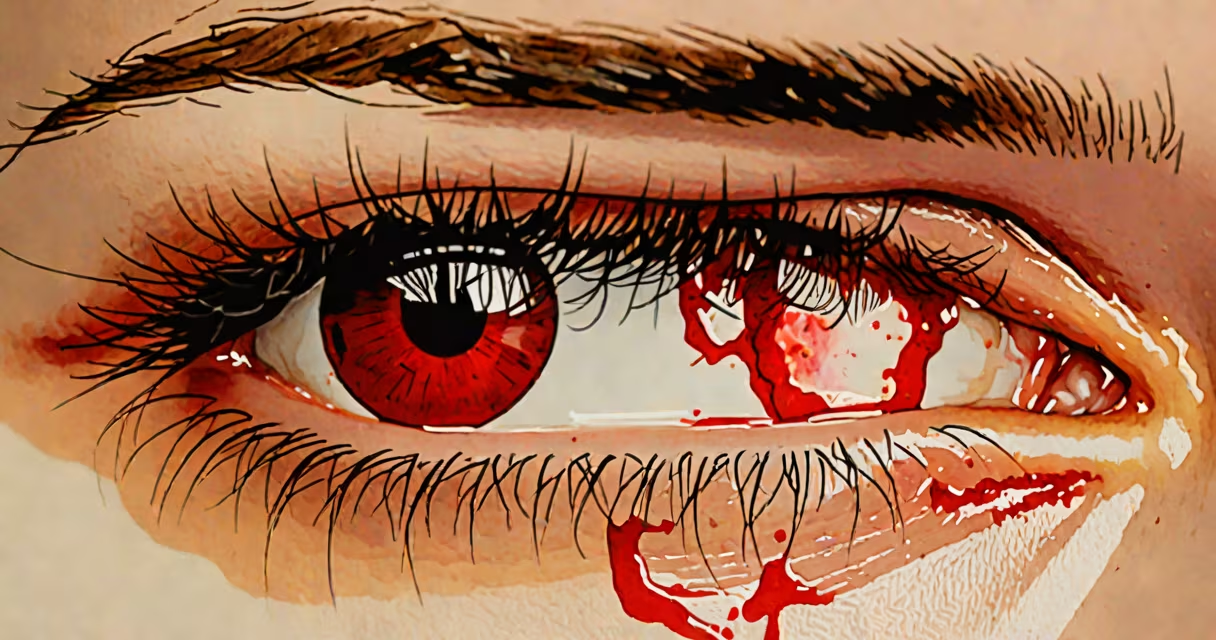
A single eyelid that is red and swollen typically indicates a localized infection or inflammation, most commonly a stye (hordeolum), which forms when an oil gland in the eyelid becomes blocked and infected. This condition usually develops rapidly over 1-2 days and presents with pain, tenderness, and visible swelling on one side of the eye.
Styes are caused by bacteria-most often Staphylococcus aureus-entering the glands along the eyelid margin. The immune system responds by sending white blood cells to fight the infection, leading to redness, warmth, and swelling. In rare cases, a chalazion-a non-infected cyst from a blocked meibomian gland-can mimic a stye but tends to develop more slowly and lacks acute pain.
According to the American Academy of Ophthalmology, about 1 in 10 people experience at least one stye in their lifetime. Most resolve within 3-7 days without treatment. However, persistent swelling, worsening pain, or vision changes require medical evaluation to rule out complications such as orbital cellulitis or corneal involvement.
The eyelid contains numerous sebaceous glands that secrete oils to lubricate the eye surface. When one of these glands becomes obstructed-often due to excess oil production, poor lid hygiene, or touching the eye with dirty hands-the trapped secretion creates a breeding ground for bacteria. The resulting infection triggers an inflammatory response, causing redness, swelling, and sometimes pus formation.
Factors increasing risk include recent eye rubbing, wearing contact lenses without proper cleaning, using expired makeup, or having underlying skin conditions like rosacea or seborrheic dermatitis. People with diabetes or weakened immune systems may experience slower healing or recurrent episodes.
For example, a 32-year-old woman reported waking with a painful lump on her upper right eyelid. She had used old mascara the previous night and noticed swelling within four hours. By day two, the area was warm and tender. After applying warm compresses for 10 minutes, four times daily, the swelling reduced by day five.
Conditions causing one eyelid red and swollen fall into several categories based on cause and presentation:
| Type | Onset | Pain Level | Common Cause | Typical Duration |
|---|---|---|---|---|
| Stye (external hordeolum) | Fast (hours to 1 day) | High | Infected hair follicle at lash base | 3-7 days |
| Internal hordeolum | Fast (1-2 days) | High | Infected meibomian gland inside lid | 5-10 days |
| Chalazion | Slow (days to weeks) | Mild to moderate | Non-infected blocked gland | 2-6 weeks |
| Blepharitis | Chronic or intermittent | Mild to severe | Chronic eyelid inflammation, often linked to skin disorders | Recurrent episodes |
One key distinction often missed is that internal hordeola are deeper and less likely to drain spontaneously compared to external ones. They may require warm compresses and, in rare cases, minor surgical drainage if they persist beyond two weeks.
Another common confusion is mistaking allergic reactions for infections. Allergies can cause bilateral eyelid swelling and itching but rarely produce localized redness and pain. A true stye affects only one eyelid and is associated with a visible pus-filled bump.
Most cases of one eyelid red and swollen improve with home care. Apply warm compresses-using a clean washcloth soaked in hot water-for 10 minutes, four times a day. Avoid squeezing or attempting to pop the bump, as this increases the risk of spreading infection.
Seek medical attention if swelling spreads beyond the eyelid, vision blurs, the eye becomes extremely sensitive to light, or pain worsens after 48 hours. These signs may indicate orbital cellulitis, a serious infection requiring antibiotics. The Centers for Disease Control and Prevention notes that untreated orbital infections can lead to vision loss or spread to the brain.
Individuals with recurrent styes-more than three in six months-should consult a doctor. Underlying issues such as chronic blepharitis, dry eye syndrome, or systemic conditions like diabetes may be contributing factors.
For example, a 45-year-old man experienced recurring styes every few months despite good hygiene. After evaluation, he was diagnosed with anterior blepharitis linked to demodex mites. Treatment with lid scrubs and oral antibiotics resolved the issue within eight weeks.
Many assume that one eyelid red and swollen always requires antibiotic drops. This is incorrect. Topical antibiotics are only effective for bacterial infections confirmed by a provider. Overuse contributes to antibiotic resistance, per the World Health Organization.
Another misconception is that applying ice reduces swelling. Ice can worsen inflammation in the early stage because cold constricts blood vessels, limiting immune cell delivery. Warm compresses increase blood flow to the area, promoting drainage and healing.
Some patients believe that removing contact lenses during a stye helps. While stopping lens wear may reduce irritation, it doesn't treat the root cause. Contact lens wearers should discontinue use until the infection resolves to prevent corneal abrasions.
One underreported factor is the role of stress and sleep deprivation in triggering flare-ups. A 2021 study published in Ophthalmology and Therapy found that individuals reporting less than six hours of sleep per night were twice as likely to develop a stye within the following month.
Start with warm compresses and avoid touching the affected area. Do not share towels or washcloths. Clean the eyelid gently with diluted baby shampoo (1 part shampoo to 10 parts water) using a cotton swab, twice daily, to remove debris and reduce bacterial load.
If symptoms persist beyond seven days, or if the swelling spreads to the cheek or forehead, see a healthcare provider. A doctor may prescribe topical antibiotics like erythromycin ointment or oral antibiotics like doxycycline for resistant cases.
One eyelid red and swollen is usually a self-limiting condition. With proper care, most resolve within a week. Recognizing warning signs and avoiding harmful practices ensures faster recovery and prevents complications.