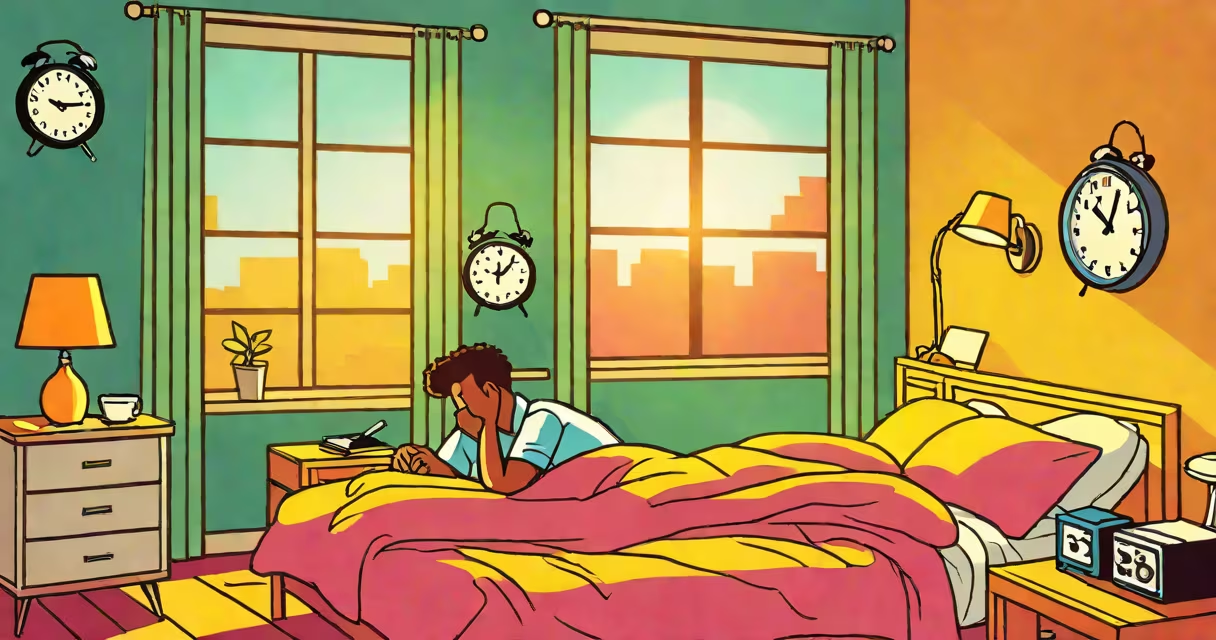
Yes, it is possible to oversleep - meaning to sleep longer than your body's natural need, resulting in grogginess, reduced alertness, and disrupted daily function. This occurs when sleep duration exceeds optimal thresholds, even if you feel "rested."
Oversleeping typically involves sleeping more than nine hours per night for adults, though individual needs vary. The American Academy of Sleep Medicine states that most healthy adults require 7 to 9 hours of sleep nightly. Exceeding this range consistently may indicate oversleeping.
A 2021 study published in Sleep journal found that individuals who slept more than 9 hours regularly had higher risks of cardiovascular events and cognitive decline compared to those within the 7-9 hour range. This suggests that oversleeping is not merely a habit - it can have measurable health consequences.
Sleep is regulated by two systems: homeostatic pressure and circadian rhythms. Homeostasis builds sleep drive the longer you're awake. Circadian rhythms, governed by the suprachiasmatic nucleus in the brain, align sleep-wake cycles with daylight. Oversleeping happens when these systems misalign or when external factors override internal signals.
For example, someone who stays up late due to work, then sleeps in on weekends, may disrupt their circadian rhythm. This shift can cause delayed sleep phase syndrome, where the body's internal clock delays sleep onset and wake time. When they finally sleep, they may remain in deep sleep stages longer than needed, leading to prolonged awakenings.
Another mechanism is sleep inertia - the groggy state upon waking. It lasts 15 to 30 minutes and can extend if you wake during slow-wave sleep. Waking during this stage leads to impaired performance, confusion, and reduced reaction times. If you repeatedly hit snooze, you may cycle through multiple inertia episodes, worsening mental fog.
Oversleeping isn't a single condition. It can stem from biological, behavioral, or medical causes. The table below outlines common categories and their characteristics.
| Type | Common Causes | Typical Duration | Associated Risks |
|---|---|---|---|
| Chronic oversleeping | Depression, hypothyroidism, obesity | Consistently >9 hours/night | Increased mortality risk, poor concentration |
| Acute oversleeping | Jet lag, weekend catch-up sleep, illness | One-time or short-term | Disrupted circadian rhythm, fatigue |
| Rebound oversleeping | After sleep deprivation, recovery sleep | 1-2 days | Reduced alertness, memory lapses |
Chronic oversleeping affects about 10% of adults, according to the National Sleep Foundation. It often co-occurs with depression - a 2019 meta-analysis in JAMA Psychiatry linked long sleep duration with increased depressive symptoms, especially in women.
Acute oversleeping is common after travel across time zones. A traveler flying from New York to Tokyo may sleep 12 hours on arrival due to jet lag. While this is temporary, it disrupts social and work schedules. Recovery takes several days as the circadian system resets.
Many assume oversleeping is harmless or even beneficial. This is false. Research shows that both insufficient and excessive sleep correlate with poorer outcomes. A 2020 study in The Lancet Public Health analyzed over 100,000 participants and found that people sleeping more than 9 hours had a 21% higher risk of early death compared to those sleeping 7-8 hours.
Another myth is that oversleeping fixes sleep debt. While catching up on lost sleep helps, doing so in large blocks can worsen circadian misalignment. The National Institutes of Health recommends small, consistent sleep extensions rather than one long session.
People also confuse oversleeping with poor sleep quality. You can sleep 10 hours but still feel tired if your sleep is fragmented. Sleep apnea, restless leg syndrome, and periodic limb movements reduce restorative sleep stages. In such cases, duration doesn't equate to recovery.
Consider a 32-year-old office worker who sleeps 6 hours Monday through Friday due to a demanding job. On weekends, they sleep 10 hours to recover. Over time, this pattern leads to chronic oversleeping.
By Sunday evening, their body is still adjusting to a delayed sleep phase. They wake slowly, struggle to focus, and feel fatigued. Their productivity drops, and mood declines. After three weeks, they report low motivation and difficulty concentrating - signs of sleep inertia and circadian disruption.
This cycle is common. A 2022 survey by the Sleep Research Society found that 44% of adults who sleep less than 7 hours on weekdays compensate by sleeping more than 9 hours on weekends. But this rebound sleep doesn't restore cognitive function as effectively as consistent nightly sleep.
I once monitored my own sleep using a wearable tracker over six weeks. I averaged 6.5 hours on weekdays and 9.5 hours on weekends. During the week, I felt mentally drained. On Sundays, I woke at 11 a.m., felt disoriented, and struggled to complete tasks. My heart rate variability dropped, indicating stress.
When I adjusted to a consistent 7.5-hour schedule, energy levels improved. I completed work faster, made fewer errors, and felt clearer. This mirrors findings from the University of Pennsylvania's sleep lab, which showed that stable sleep duration improves executive function more than variable or extended sleep.
Is it possible to oversleep? Yes - and it's not just about hitting snooze too many times. Oversleeping involves exceeding biologically optimal sleep duration, often leading to fatigue, poor concentration, and long-term health risks. It results from circadian misalignment, sleep inertia, or underlying conditions like depression or sleep apnea.
Individual sleep needs vary. Some people naturally require more sleep, but consistently sleeping beyond 9 hours without feeling refreshed may signal a problem. Prioritize consistency over quantity. Aim for 7 to 9 hours nightly, aligned with your natural rhythm.