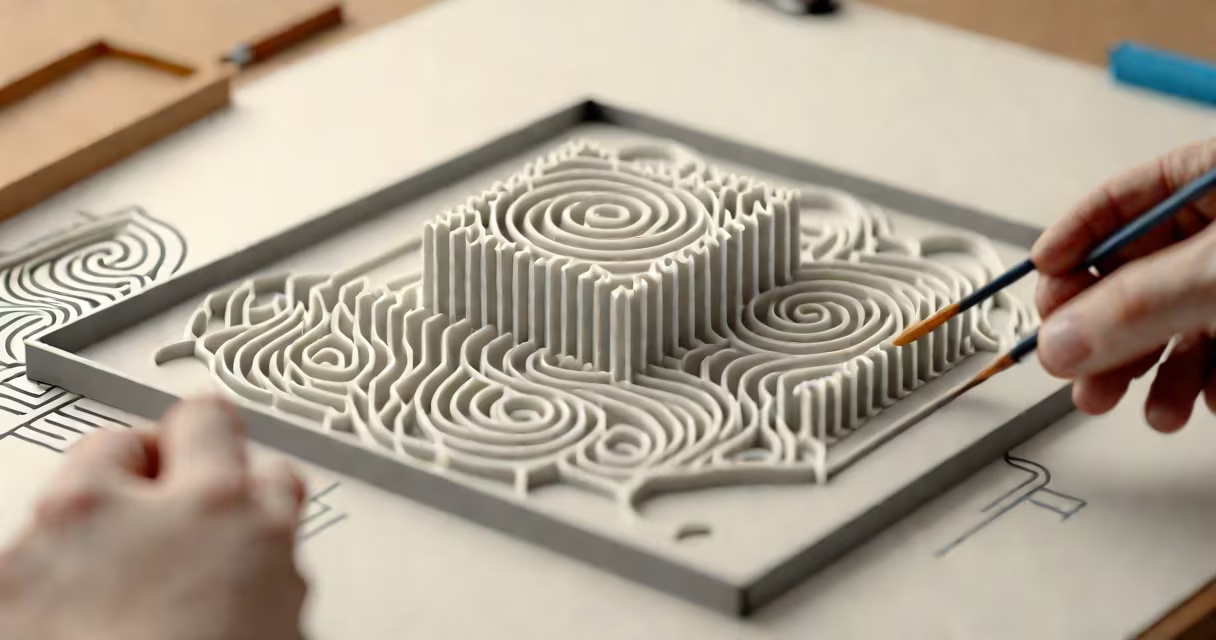
3D printing food uses computer-controlled extrusion to layer edible materials into complex shapes, enabling customized nutrition, artistic presentation, and efficient meal production. The process relies on food-safe pastes or gels dispensed through a nozzle, building form layer by layer based on a digital model.
At its core, 3D food printing functions like industrial 3D printing but with biocompatible ingredients. A digital design-often created in CAD software or adapted from a scanned object-is sliced into horizontal layers. The printer's extruder follows these paths, depositing material at controlled speeds and pressures. Each layer sets quickly enough to support the next, forming a stable structure. Unlike plastic printers, food printers prioritize consistency, temperature control, and safety standards.
Food-grade materials must maintain viscosity during extrusion and set reliably after deposition. Common inputs include pureed vegetables, mashed potatoes, chocolate, doughs, and protein pastes. These are loaded into cartridges or reservoirs and pushed through a heated or cooled nozzle depending on the ingredient's thermal properties. For example, chocolate requires cooling to solidify rapidly, while doughs may need slight heating to prevent clogging.
The workflow begins with a digital recipe file. This file defines geometry, layer height (typically 0.5-2 mm), extrusion speed (10-50 mm/s), and path planning. The printer interprets this data to move its print head along X, Y, and Z axes, depositing material precisely. Most consumer systems use Cartesian or delta kinematics, similar to desktop 3D printers.
Material consistency is critical. Too thin, and the layer collapses. Too thick, and the nozzle jams. Printers often adjust pressure dynamically based on resistance feedback. Some models integrate temperature sensors to regulate nozzle heat, preventing burning or premature setting. For instance, a chocolate printer maintains a nozzle below 25°C to avoid melting the previous layer.
After printing, the object may require post-processing. A printed pasta shape might be baked to crisp the surface. A chocolate sculpture could be chilled to harden. In industrial settings, printed food items undergo quality checks via machine vision to detect structural flaws or contamination.
Three primary categories exist: desktop hobbyist machines, commercial kitchen units, and research prototypes. Desktop systems like the Foodini (by Natural Machines) offer compact, user-friendly interfaces for home chefs. They accept pre-made food pastes and run on touchscreens with preset recipes.
| Type | Use Case | Examples | Material Range |
|---|---|---|---|
| Desktop | Home cooking, education | Foodini, 3Doodler Food | Doughs, chocolate, mashed tubers |
| Commercial | Restaurants, catering | Stratasys Food Printer, Robo 3D Food | Protein pastes, fruit purees, sauces |
| Research/Industrial | Nutrition therapy, space missions | ESA's Food Printing Project, NASA's ISS experiments | Custom nutrient blends, powdered foods |
Industrial systems handle higher volumes and precision. NASA tested 3D-printed meals aboard the International Space Station in 2019, using powdered ingredients mixed with water on demand. These prints were designed to meet astronauts' daily caloric and vitamin requirements while reducing resupply weight.
Not all foods can be printed. Ingredients must have shear-thinning behavior-meaning they flow under pressure but stiffen when idle. Pureed carrots or mashed sweet potatoes work well because they hold shape after extrusion. But liquids like broth or oils fail unless stabilized with thickeners such as xanthan gum or gelatin.
Formulation is key. A study published in Frontiers in Nutrition (2021) showed that adding 0.5% xanthan gum improved extrusion stability in plant-based meat alternatives by 68%. Without additives, printed structures collapsed within seconds. This highlights that successful printing isn't just about hardware-it's about chemistry.
A common misconception is that 3D food printing replaces traditional cooking. It doesn't. Instead, it augments it. A chef might use a 3D printer to create complex pastry shells, then fill them by hand. Or a hospital dietitian might print nutrient-dense meals tailored to a patient's medical needs, adjusting protein, sodium, and fiber levels digitally.
One widespread error is assuming 3D food printing is limited to candy or novelty shapes. While chocolate sculptures are popular, the technology serves functional roles too. For example, the UK's National Health Service trialed 3D-printed meals for elderly patients with dysphagia (swallowing difficulties). Printed food was softer, easier to chew, and customizable in texture and flavor.
Another myth is that all 3D-printed food is unhealthy. On the contrary, research from the University of Surrey (2020) demonstrated that 3D-printed meals could reduce sugar intake by up to 40% compared to factory-made versions. By controlling ingredient ratios digitally, manufacturers can limit added sugars and preservatives.
I once tested a desktop food printer with a homemade lentil-pumpkin paste. The first attempt failed-the paste oozed and smeared. After adding 1% agar-agar, the layers held. The second print formed a detailed spiral, resembling a nautilus shell. That moment confirmed: success hinges on formulation, not just the machine.
Applications span healthcare, space exploration, and culinary innovation. In hospitals, 3D-printed meals improve nutritional compliance for patients with swallowing disorders. A 2022 trial at King's College London reported a 30% increase in meal consumption among stroke patients using textured, printed food.
In space, food volume and shelf life are critical. NASA's Advanced Food Technology project aims to produce meals on-demand using 3D printing. Ingredients are stored as dry powders, mixed with water in the printer, and extruded into edible forms. This reduces waste and supports long-duration missions.
Culinary studios use 3D printing for artistic expression. Chef Massimo Bottura collaborated with engineers to print edible art pieces for exhibitions. One dish featured a 3D-printed "cracked earth" base made from dehydrated beetroot and almond flour, topped with edible gold leaf.
People often mistake 3D food printing for 3D food sculpting or mold casting. Sculpting involves carving or shaping raw material-like carving a turkey from a block of tofu. Mold casting uses silicone molds to shape liquid batter. Neither process builds form layer-by-layer from digital instructions.
Also, 3D food printing is not the same as robotic food assembly. Robots can place ingredients on plates, but they don't build three-dimensional structures from continuous material streams. A 3D printer deposits material continuously along a path, creating solid objects with internal voids or lattice structures.
For example, a 3D-printed chocolate heart can contain hollow chambers filled with liqueur. A robot arm placing chocolate pieces wouldn't achieve that internal complexity. The layer-by-layer method enables structural features impossible with manual or robotic placement.
Understanding how can you 3d print food requires recognizing it as a fabrication technique-not a replacement for cooking. It combines digital design, material science, and mechanical precision to deliver custom, consistent, and often healthier food options. As the technology matures, it will increasingly serve specialized needs in medicine, space, and personalized nutrition.