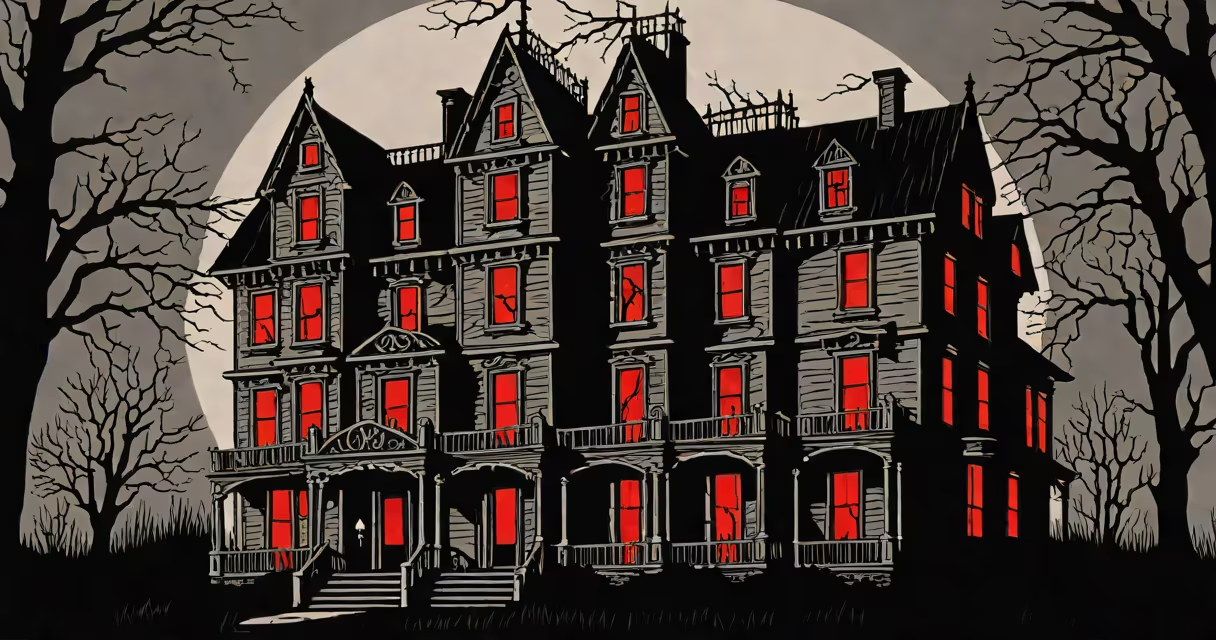
A horror movie quiz is a set of multiple-choice or true/false questions designed to test knowledge of horror films, their plots, characters, quotes, and cultural impact. These quizzes cover everything from 1930s Universal monsters to modern psychological thrillers and cult favorites.
Horror movie quizzes assess familiarity with specific films, actors, directors, and genre tropes. They're often used in entertainment settings-online games, social media challenges, or themed parties-to engage fans and spark discussion about favorite scares. A well-crafted quiz includes questions that require both broad genre awareness and detailed film knowledge.
For example, a question might ask: "Which horror film features the line 'I'm going to make him an offer he can't refuse'?" The correct answer is *The Godfather*, which is not a horror film-but that's the trick. This tests whether the participant knows the quote is from a crime drama, not a horror movie. Such questions expose common misconceptions and deepen understanding of genre boundaries.
Most horror movie quizzes follow a standard format: a series of 10 to 25 questions, each with four options. One option is correct; the others are plausible distractors based on similar themes, titles, or character roles. Questions may focus on plot points, character motivations, visual details, or dialogue.
For instance, a question might state: "In *The Shining* (1980), what does Jack Torrance write on the bathroom wall?" Options include "I am the master of this house," "All work and no play makes Jack a dull boy," "Redrum," and "I love my family." The correct answer is "Redrum"-a backwards spelling of "murder"-which appears in the film's climax and is a key clue to Jack's descent into madness.
Some quizzes incorporate timed rounds or progressive difficulty. Others use image-based questions: showing a still from a scene and asking viewers to identify the film. These formats increase engagement and test visual recognition, a skill often overlooked in traditional trivia.
Quizzes vary in focus. Some emphasize historical context, others show technical achievements or fan-favorite moments. The following table outlines common categories:
| Type | Focus | Example Question |
|---|---|---|
| Character & Actor | Known performers and roles | Who played Freddy Krueger in the original *A Nightmare on Elm Street*? |
| Plot & Plot Twists | Story structure and surprises | What happens to the protagonist in *The Babadook* after she opens the book? |
| Iconic Lines | Famous dialogue | Which horror film features the line "They're here" spoken by a child? |
| Visual & Production | Set design, cinematography, effects | What real-world location was used for the exterior of the Overlook Hotel in *The Shining*? |
| Genre & Subgenre | Classification and influences | Which subgenre does *Get Out* (2017) primarily belong to? |
Each category targets different levels of expertise. Character questions are accessible to casual viewers. Visual and production questions demand deeper attention to detail. Genre classification questions require analytical thinking beyond memorization.
Online platforms like BuzzFeed, Sporcle, and Reddit host thousands of horror movie quizzes. These are shared widely during Halloween, film festivals, or streaming marathons. A 2022 study by the Motion Picture Association found that 68% of U.S. adults aged 18-34 have taken at least one online movie quiz in the past year, with horror being the most popular genre for such activities.
People take these quizzes to measure their fandom level, compare results with friends, or discover new films. A friend once challenged me to a *Saw* trilogy quiz during a late-night game night. I missed three questions-especially the one about the origin of the Jigsaw Killer's name. After checking the script, I learned the term "Jigsaw" came from his victims' puzzle-like deaths, not his real name. That detail changed how I viewed the franchise.
Quizzes also serve educational purposes. Teachers use them to introduce students to film history, narrative structure, and cultural commentary. For example, a quiz on *Night of the Living Dead* (1968) can lead to discussions about race, Cold War anxiety, and the rise of independent filmmaking.
Many people assume all horror movies feature jump scares. But according to the American Film Institute, only 34% of horror films released between 2000 and 2020 relied on sudden loud noises or visual shocks. The rest used tension, atmosphere, or psychological dread.
Another myth: horror films are always low-budget. While many early entries were made on shoestring budgets-*The Texas Chain Saw Massacre* (1974) cost $140,000-modern horror has seen major studio investments. *It* (2017), directed by Andy Muschietti, had a $35 million budget and earned $700 million worldwide. This shows horror can be both artistically ambitious and commercially successful.
Also, not all horror is fiction. Documentaries like *The Act of Killing* (2012) use horror techniques-disturbing imagery, unsettling sound design-to explore real-life atrocities. This blurs the line between genre and reality, challenging assumptions about what horror can be.
horror movie quiz
is more than a fun pastime-it's a way to explore storytelling, cultural fears, and cinematic craft. debating whether *The Exorcist* qualifies as supernatural horror, each question reveals something about how we process fear through film. Take a quiz, learn something new, and maybe even reconsider what you thought you knew.