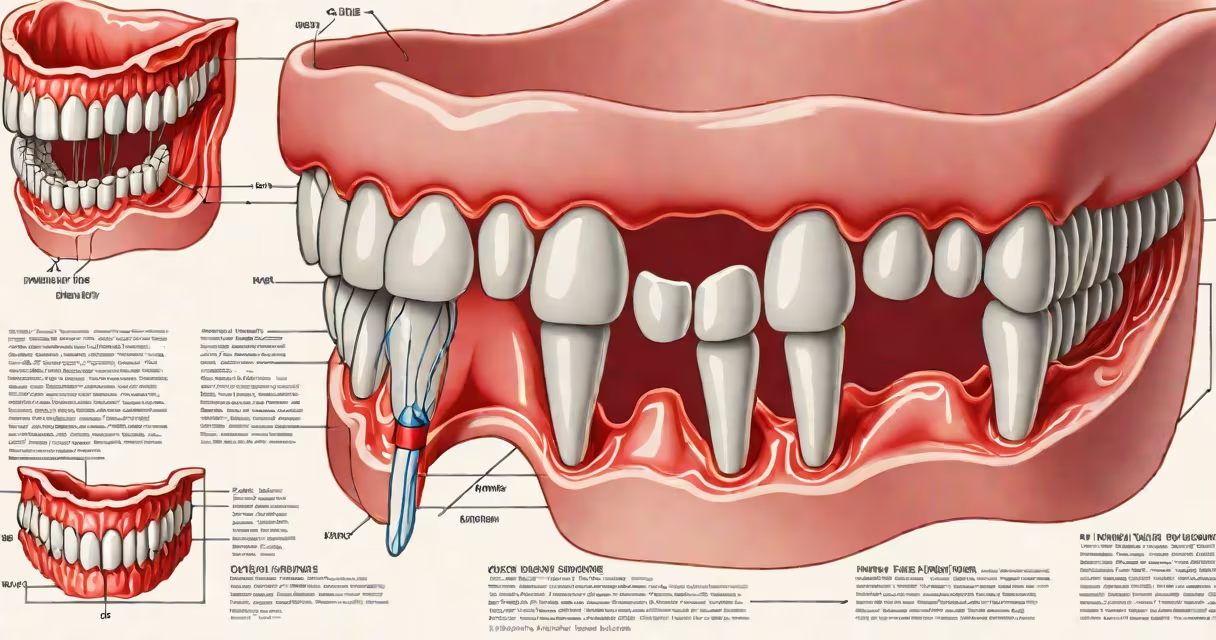
Gum feels puffy describes swollen, tender gum tissue that may appear raised, red, or uneven along the gumline. This sensation typically results from inflammation due to bacterial plaque accumulation or irritation from food debris.
Swelling occurs when the body's immune system responds to irritants by increasing blood flow and fluid in the gum tissues. The result is a soft, spongy feeling under the tongue or when brushing. Puffy gums are not normal and indicate early-stage gum disease, known as gingivitis.
According to the American Dental Association (ADA), nearly half of adults aged 30 and older have some form of periodontal disease, with gingivitis being the most common initial stage. Left untreated, puffy gums can progress to deeper infections, bone loss, and tooth mobility.
When plaque-a sticky film of bacteria-builds up on teeth near the gumline, it triggers an inflammatory response. The body sends white blood cells to fight the bacteria, releasing chemicals that cause swelling and pain. This process begins within hours of plaque formation.
Brushing too hard or using a toothbrush with stiff bristles can also damage gum tissue, leading to localized puffiness. Other contributors include hormonal changes (such as during pregnancy), certain medications (like phenytoin or calcium channel blockers), and systemic conditions such as diabetes.
A 2021 study published in the Journal of Clinical Periodontology found that individuals with uncontrolled diabetes were 2.3 times more likely to develop gingivitis compared to those with stable glucose levels. This highlights the link between health and oral symptoms like puffy gums.
Puffy gums fall into several categories based on cause:
| Type | Common Cause | Distinctive Features |
|---|---|---|
| Gingivitis | Plaque buildup | Redness, tenderness, bleeding during brushing |
| Pericoronitis | Partially erupted wisdom tooth | Pain, swelling around a molar, possible pus |
| Drug-induced | Medications like cyclosporine | Generalized swelling, often symmetric |
| Reactive hyperplasia | Chronic irritation from ill-fitting dentures | Localized, firm swellings on the palate or cheek |
One non-obvious distinction: puffy gums from infection often feel warm to touch and may drain pus, while mechanical trauma (from brushing too hard) causes localized swelling that improves after a few days of rest.
Many people assume that puffy gums are harmless or temporary. Some believe they'll resolve on their own with better brushing. But persistent puffiness signals ongoing inflammation that damages connective tissue and can lead to irreversible bone loss.
Another misconception is that flossing worsens swelling. In reality, flossing removes plaque between teeth where brushing can't reach. A 2019 clinical trial showed patients who flossed daily had 40% less gingival recession over six months compared to non-flossers.
Some confuse puffy gums with cold sores or canker sores. Cold sores appear as fluid-filled blisters on the lips and are caused by herpes simplex virus. Canker sores are small ulcers inside the mouth. Neither involves gum tissue swelling. Gum swelling affects the entire gum margin, not isolated spots.
In 2022, a 34-year-old woman reported her gums felt puffy for three weeks. She brushed twice daily but skipped flossing. Upon examination, her dentist found red, swollen gums around molars and premolars, with bleeding on probing. Plaque scores were high, and X-rays showed no bone loss yet.
The diagnosis was mild gingivitis. After two weeks of daily flossing, using a soft-bristled brush, and rinsing with chlorhexidine mouthwash, her gums returned to normal. Her follow-up visit confirmed reduced inflammation and no bleeding.
This case illustrates that early intervention prevents progression to periodontitis. Delaying care increases risk of tooth loss and surgical treatment.
Start with improved oral hygiene: brush gently twice daily with a soft-bristled toothbrush, floss once daily, and use an antimicrobial mouthwash. Avoid tobacco products and limit sugary foods.
If puffiness persists beyond 7-10 days, schedule a dental visit. A dentist can assess for tartar buildup, gum pockets, or signs of systemic disease. Early treatment reduces long-term complications.
I've seen patients return after months of ignoring puffy gums. One man developed a gum abscess that required antibiotics and drainage. He later said he didn't realize the swelling was a warning sign until pain became severe.
Untreated puffy gums can lead to tooth loss. The ADA reports that 65% of adults lose at least one tooth due to periodontal disease. Preventing this starts with recognizing early signs like gum feels puffy.
Recognizing gum feels puffy as a symptom-not a minor annoyance-is key to maintaining oral health. Addressing it promptly stops progression and preserves natural teeth.