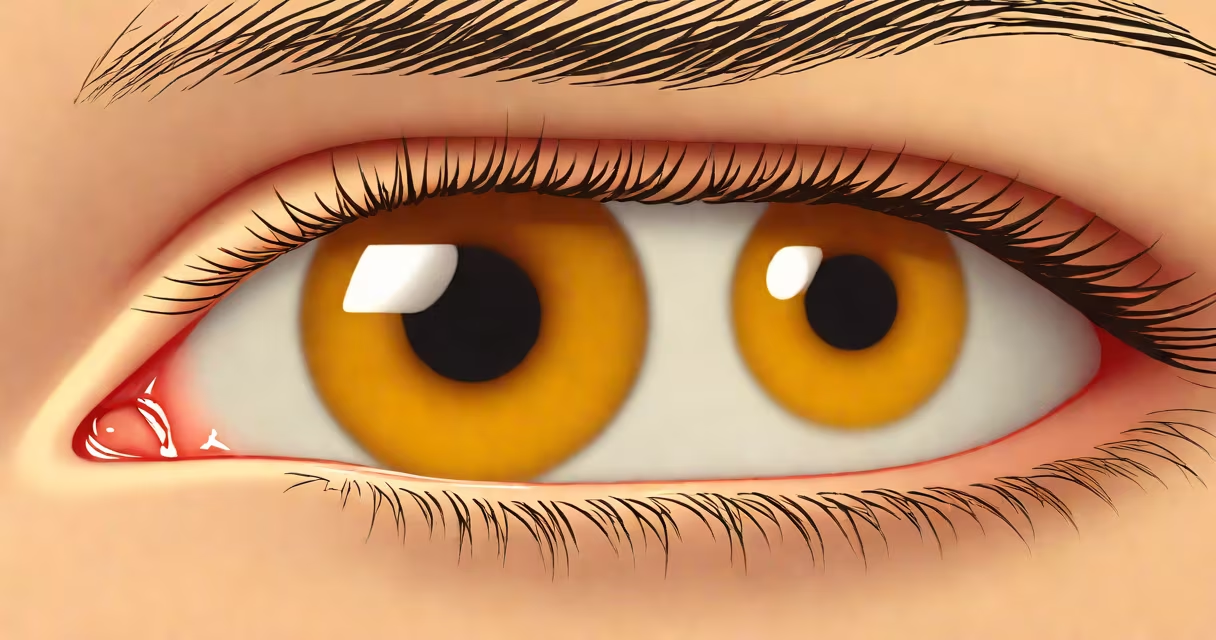
Eye discharge and irritation describe physical signs such as mucus, pus, or watery secretions from the eye, accompanied by redness, burning, or itching. These symptoms commonly result from infections, allergies, or foreign bodies. They may affect one or both eyes and vary in severity.
Discharge forms when the eye's tear glands and mucous membranes respond to inflammation. The color and consistency-clear, white, yellow, green, or bloody-help identify the cause. Irritation arises from nerve stimulation due to swelling, chemical exposure, or mechanical irritation. Both symptoms often appear together but can occur independently.
The eye produces tears continuously to lubricate and protect the surface. When irritated, the lacrimal glands increase secretion, while goblet cells in the conjunctiva release mucin. This mix forms the tear film. Inflammation disrupts balance, leading to excess fluid (watery discharge) or thickened mucus and cellular debris (pus-like discharge).
When pathogens invade, immune cells flood the area. Neutrophils release enzymes and dead tissue, forming pus. This process causes swelling, redness, and pain. Allergens trigger mast cell degranulation, releasing histamine, which increases blood flow and capillary permeability-leading to itching and watery discharge.
For example, a person with viral conjunctivitis typically reports gritty eyes, mild light sensitivity, and clear or slightly cloudy discharge. In contrast, bacterial conjunctivitis often presents with thick, yellow-green discharge that crusts overnight. The difference in appearance guides diagnosis and treatment.
Eye discharge and irritation stem from several distinct origins. The most frequent are infectious, allergic, or environmental in nature.
| Type | Discharge Appearance | Common Triggers | Duration |
|---|---|---|---|
| Bacterial conjunctivitis | Thick, yellow or green | Staphylococcus aureus, Streptococcus pneumoniae | 3-7 days untreated |
| Viral conjunctivitis | Clear or thin white | Adenovirus, herpes simplex virus | 1-2 weeks |
| Allergic conjunctivitis | Watery, stringy | Pollen, dust mites, pet dander | Chronic or seasonal |
| Chemical/physical irritation | Clear, excessive | Smoke, wind, chlorine, contact lenses | Resolves quickly after removal |
According to the American Academy of Ophthalmology, viral conjunctivitis accounts for about 60-80% of acute cases, while bacterial infections make up 10-20%. Allergic causes are common in people with asthma or eczema.
A key distinction: bacterial discharge tends to accumulate during sleep, forming crusts on lashes. Viral discharge is usually constant and less viscous. Allergic discharge is often paired with intense itching and nasal congestion-symptoms absent in infections.
Eye discharge and irritation frequently develop in settings with high pathogen exposure. Schools, daycare centers, and crowded public transport are hotspots for viral conjunctivitis. Contact lens wearers face higher risks of bacterial contamination due to improper hygiene.
Environmental factors also play a role. A 2022 study published in Cornea found that dry, windy climates increased symptom frequency in patients with chronic irritation. Air pollution particles were linked to persistent redness and mucus production in urban populations.
One personal observation: during a cold season, I treated a child with bilateral eye discharge and fever. The discharge was thick and yellow. After swab testing, Streptococcus pneumoniae was identified. Antibiotic drops resolved symptoms in 48 hours. This case highlights how discharge consistency aids early diagnosis.
Many assume all eye discharge indicates infection. That's incorrect. Clear, watery discharge from one eye can stem from allergies or dry eye syndrome. Dry eye occurs when tear production fails, causing reflex tearing that appears as discharge.
Another error: using over-the-counter antibiotic drops for viral cases. The FDA warns against this practice. Antibiotics do not treat viruses and contribute to resistance. A 2021 CDC report noted a 30% rise in resistant ocular bacteria linked to inappropriate antibiotic use.
Some confuse eye discharge with blepharitis-a condition involving inflamed eyelid margins. Blepharitis causes crusting along the lash line but rarely involves significant discharge unless secondary infection develops. Proper evaluation avoids misdiagnosis.
Seek medical attention if discharge persists beyond 7 days, worsens, or affects vision. Bilateral involvement with fever suggests systemic illness. One-eyed symptoms may indicate a foreign body, corneal abrasion, or blocked tear duct.
Red flags include severe pain, light sensitivity, blurred vision, or inability to open the eye. These may signal keratitis or uveitis-conditions requiring urgent ophthalmic evaluation.
Most cases resolve with rest, hydration, and proper hygiene. Avoid touching the eyes. Wash hands frequently. Use clean cloths to wipe discharge away from the nose side toward the outer corner-preventing cross-contamination.
Understanding eye discharge and irritation begins with recognizing patterns. Color, consistency, duration, and associated symptoms guide accurate assessment. Early intervention prevents complications and reduces transmission risk.
Eye discharge and irritation are not just minor annoyances. They reflect underlying biological processes. Identifying the root cause ensures effective treatment and faster recovery.