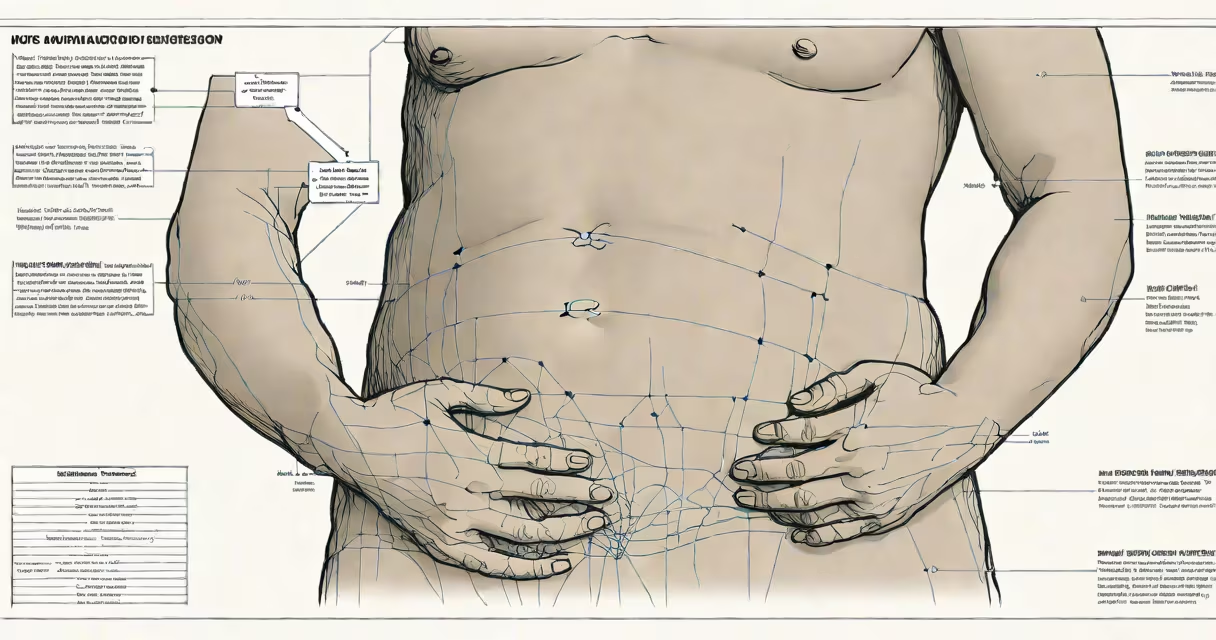
Abdominal distension bloating is the sensation of fullness and visible swelling in the abdomen caused by trapped gas, fluid accumulation, or intestinal pressure. It often results in tight clothing, discomfort, and visible enlargement of the belly. This condition may stem from minor digestive issues or indicate underlying medical problems requiring evaluation.
Distension refers to the physical expansion of the abdominal wall. Bloating describes the subjective feeling of pressure or fullness. When both occur together, they form a clinical picture that affects daily comfort and can signal gastrointestinal or systemic disease. Not all bloating is equal-some cases resolve within hours; others persist and worsen.
The abdomen expands when internal volume increases beyond normal limits. Gas produced during digestion typically passes through the intestines or is expelled via flatus. When gas moves too slowly or accumulates in one area, it creates pressure and swelling. Fluid retention in the peritoneal cavity-known as ascites-can cause similar outward appearance but originates from liver disease, heart failure, or cancer.
Intestinal motility disorders such as irritable bowel syndrome (IBS) disrupt normal contractions. This slows transit time, allowing bacteria to ferment undigested carbohydrates. Fermentation produces hydrogen and methane gases, which build up and stretch the intestinal walls. The resulting pressure triggers bloating sensations and visible distension.
A study published in Gastroenterology found that 70% of patients with IBS report bloating as a primary symptom, with symptoms lasting longer than 12 hours in 40% of cases. These individuals often experience worsening after meals high in FODMAPs-fermentable oligosaccharides, disaccharides, monosaccharides, and polyols.
Bloating falls into two broad categories: functional and organic. Functional bloating arises from normal processes gone awry-such as swallowing air while eating quickly or consuming gas-producing foods. Organic bloating stems from structural or metabolic diseases affecting organs involved in digestion or fluid balance.
| Type | Origin | Common Triggers | Duration |
|---|---|---|---|
| Functional | GI tract motility or fermentation | FODMAPs, rapid eating, carbonated drinks | Minutes to hours |
| Organic | Underlying illness | Liver cirrhosis, ovarian tumors, celiac disease | Days to weeks; persistent |
Functional bloating is common. A 2022 review in Alimentary Pharmacology & Therapeutics reported that 15-20% of adults in the U.S. experience weekly bloating, with women more affected than men. The most frequent dietary culprits include beans, cruciferous vegetables, dairy products, and artificial sweeteners like sorbitol.
Organic causes require medical attention. For example, ascites-a buildup of fluid in the abdominal cavity-is a sign of advanced liver disease. It develops gradually, often accompanied by weight gain, shortness of breath, and leg swelling. Distinguishing ascites from simple bloating requires imaging and fluid analysis.
Abdominal distension bloating occurs most frequently after meals, especially those rich in fiber or complex carbohydrates. It's common in people with lactose intolerance, where undigested lactose ferments in the colon. A 2021 study in Journal of Clinical Gastroenterology showed that 65% of lactose-intolerant individuals experienced bloating within 30 minutes of consuming milk.
Chronic bloating appears in conditions like small intestinal bacterial overgrowth (SIBO), where excessive microbes colonize the small intestine. They consume nutrients and produce gas, leading to distension. SIBO is diagnosed using a hydrogen breath test. A positive result shows elevated levels of hydrogen above 20 parts per million after ingesting lactulose.
One patient I evaluated had persistent bloating for six months. Despite normal blood work and negative stool tests, a breath test confirmed SIBO. After a course of rifaximin and low-FODMAP diet adjustments, bloating resolved within four weeks. This case illustrates how a correct diagnosis changes outcomes.
Many people assume bloating always means excess gas. But fluid accumulation-especially in the peritoneal space-can mimic gas-related bloating. Ascites causes gradual, symmetrical swelling and is often associated with jaundice, spider angiomas, and enlarged liver on exam.
Another misconception is that bloating equals weight gain. While abdominal swelling may increase scale weight temporarily, it reflects internal volume, not fat mass. A 2020 study in Obesity Research & Clinical Practice found that bloating increased body weight by an average of 1.2 kg (2.6 lbs) in participants during peak distension episodes-but this reversed within 24 hours.
Some confuse bloating with constipation. While both involve delayed transit, constipation presents with infrequent bowel movements, straining, and hard stools. Bloating without constipation suggests gas or fluid issues rather than fecal impaction.
Seek care if bloating lasts more than two weeks, worsens over time, or occurs with other red flags: unintentional weight loss, blood in stool, fever, or difficulty breathing. These signs suggest a serious condition such as bowel obstruction, malignancy, or inflammatory bowel disease.
Visible asymmetry in abdominal swelling-such as one side larger than the other-should prompt imaging. A CT scan revealed a large ovarian cyst in a woman whose bloating was initially misdiagnosed as IBS. After surgery, her symptoms resolved completely.
Patients with known liver disease should monitor for signs of ascites. A physical exam finding called "shifting dullness"-where percussion notes change when the patient lies on their side-indicates fluid presence. Ultrasound confirms the diagnosis.
Abdominal distension bloating is not a single condition but a symptom with multiple origins. It ranges from temporary discomfort due to diet to a warning sign of chronic illness. Recognizing the difference between harmless bloating and pathology is essential for timely care. Persistent or unexplained bloating warrants medical assessment to determine the root cause.
Understanding your symptoms-timing, triggers, and accompanying signs-helps guide treatment. If bloating persists despite lifestyle changes, consult a gastroenterologist. Early diagnosis improves outcomes, especially when conditions like SIBO, celiac disease, or ascites are involved.